WATERPROOF JACKETS OEM ODM PRIVATE LABEL

Waterproof Jacket Manufacturer
for Your Next Collection

Develop a waterproof jacket around the people who will wear it, the conditions they face and the product promise your brand needs to support.

SNOSEAM works with brands and organizations on custom jacket development and manufacturing. Start with a tech pack, a reference garment or a clear product brief. Bring materials, seam treatment, fit, trims and sample approval into one specification before committing to bulk production.

For outdoor collections, everyday weather protection and organizational apparel programs

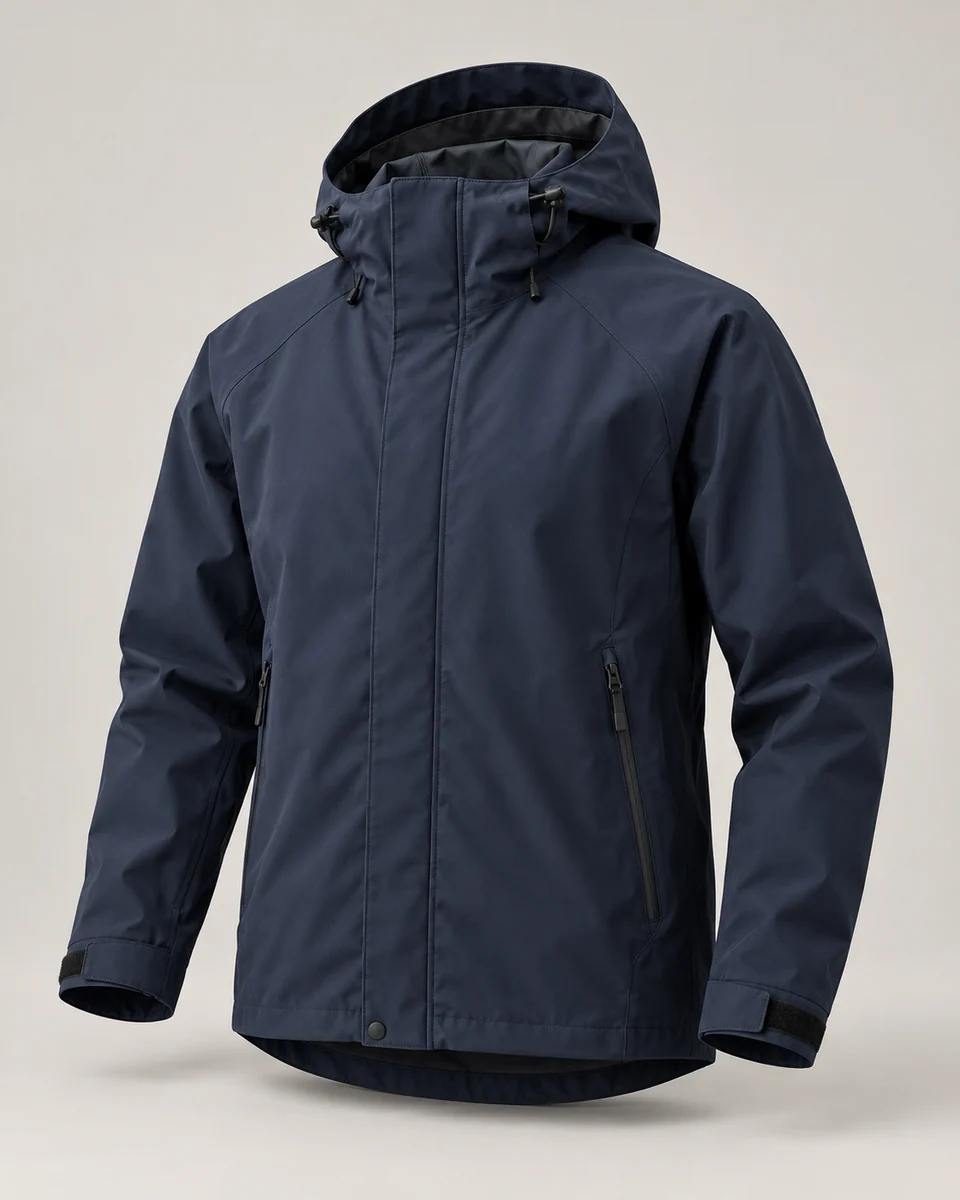
Navy hooded shell jacket concept for custom waterproof jacket development

CHOOSE THE JOB BEFORE THE DETAILS

A waterproof shell built around a clear wearing need

A waterproof jacket project is more than choosing a fabric with a headline rating. The right starting point depends on rain exposure, activity, layering, desired garment feel and the way the jacket will be sold or issued. A lighter packing layer and a durable everyday shell can require different material and construction decisions even when they share a similar silhouette.

Use the directions below to frame the brief. They are starting points for development rather than fixed stock specifications. The final configuration is selected and confirmed for your project.

01

Outdoor shell development

For collections where weather coverage and active movement are central. Review hood coverage, hem length, pocket access, sleeve movement and the layers worn underneath. Define the balance between garment weight, fabric feel, durability and the performance evidence required for the intended claim.

02

Everyday weather protection

For commuting, travel and lifestyle programs where protection must work with a clean appearance. Discuss hand feel, garment noise, easy layering, packability and practical closures. Decide which details are essential to the wearing experience and which are optional additions to the design.

03

Organizational apparel programs

For team and corporate apparel projects that need consistent fit, recognizable branding and a manageable order breakdown. Clarify size coverage, repeat-order expectations, label information and care requirements. Keep occupational protection or regulatory requirements explicit when they apply to the intended use.

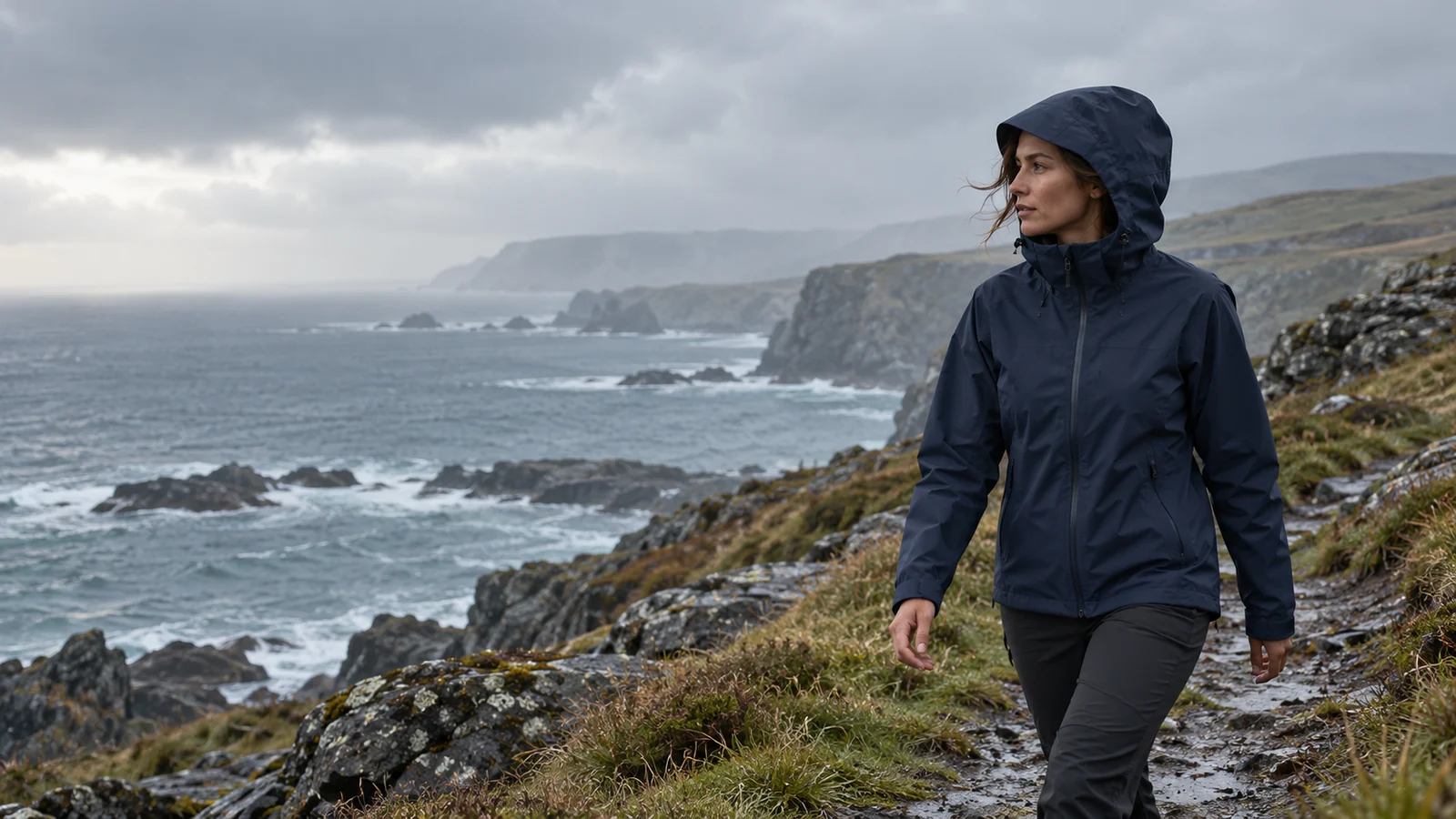
Woman wearing a navy hooded shell jacket on an exposed coastal path

BEGIN WITH THE WEARING CONDITIONS

Make the product brief as specific as the weather

Describe how long the wearer may be outside, the level of activity, the layers underneath and the parts of the garment most exposed to rain or abrasion. Include practical details such as carrying equipment, using pockets with gloves, repeated hood adjustment or sitting in the jacket.

These conditions help prioritize the development work. They also make it easier to review a sample against a real use case instead of relying on a single fabric number or a general promise of protection.

MATERIAL SELECTION

Compare the fabric system before choosing the finish

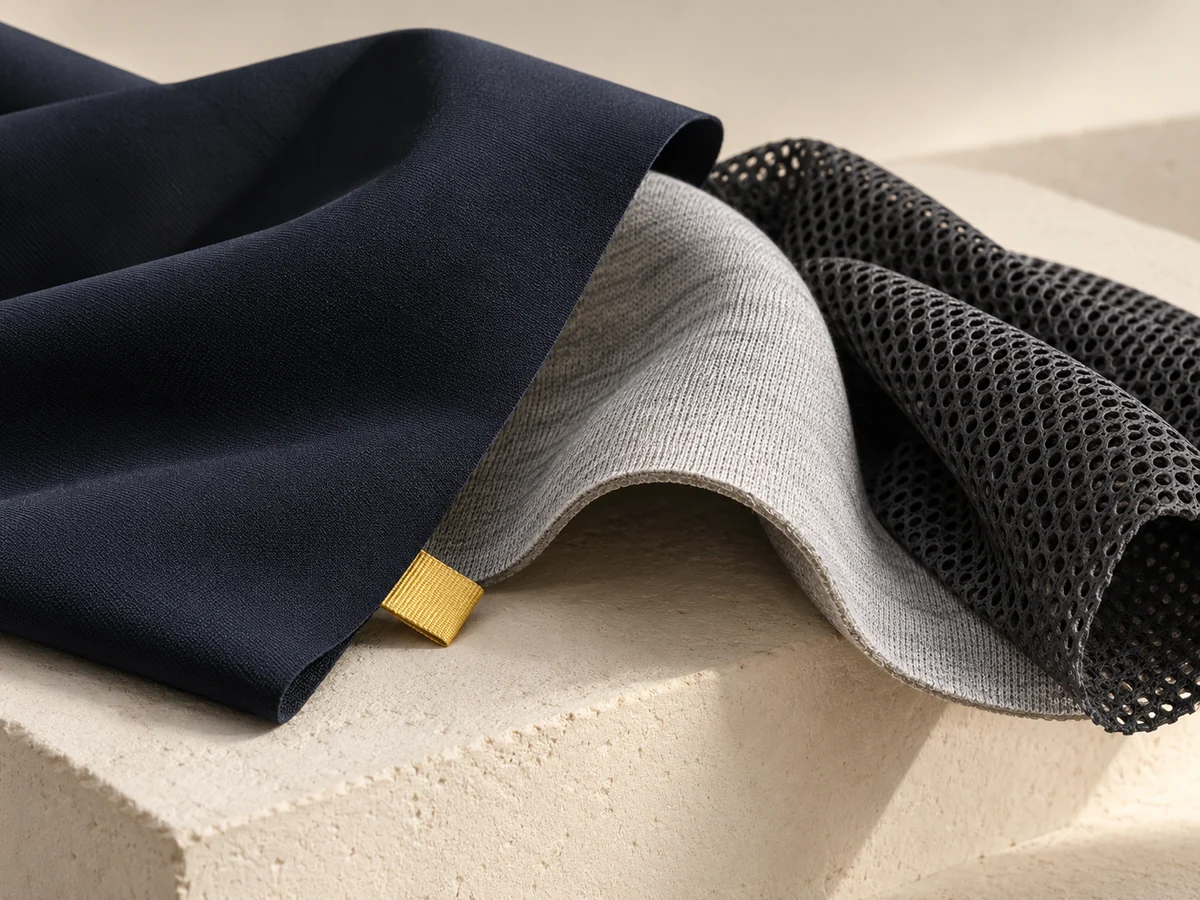
Start with the face fabric, waterproof barrier, backing or lining and the way these components will be assembled. The combination affects drape, comfort, seam treatment and the feel of the finished jacket. Record the material reference and the approved colour rather than describing the fabric only as waterproof polyester or nylon.

Layer counts describe a construction approach. They do not establish a universal protection level, breathability result or suitability for a particular application. Compare complete material references and confirm the construction with the supplier before sampling.

Navy shell fabric grey knit backing and mesh lining arranged for material selection
Construction directionWhat to considerWhat to confirm
Two layerA face fabric and barrier can be paired with a separate lining. Consider the lining feel, coverage and effect on the finished garment.Specify the shell reference, lining type, seam treatment and intended garment weight.
Two and a half layerA protective treatment on the inner side can be used in a lighter shell approach. Review feel against the wearer and the intended layering system.Confirm the exact inner finish, care requirements and evidence for the selected fabric.
Three layerA bonded backing forms part of the fabric package. Compare hand feel, structure and compatibility with the proposed construction.Match the fabric reference, backing and seam-tape system to one approved sample.

On small screens swipe the table to compare each column

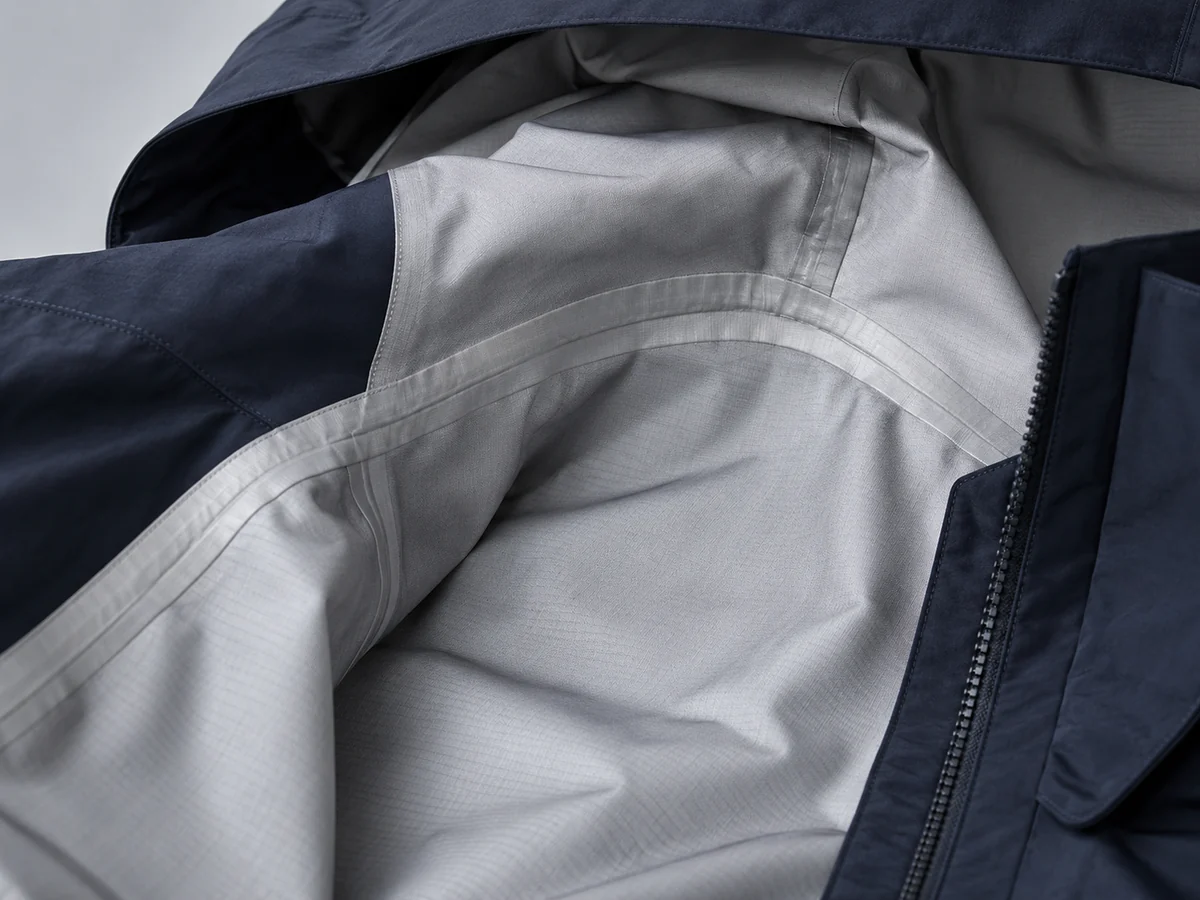
Shell jacket interior seam tape and front closure for construction planning

One approved construction

Keep drawings, material references and the sample revision aligned. A change to a zipper, seam layout, hood or lining can affect more than appearance. Record the change and decide whether the affected feature needs to be checked again.

FROM FABRIC TO FINISHED GARMENT

Water protection is a garment decision

Review the shell as a connected system of panels, seams, openings and adjustments. The sample should show how those choices work together, with the same fabric and trims that are intended for the order.

Seams and tape compatibility

Review which seams require treatment, how tape follows curves and intersections, and whether the selected tape is compatible with the material. A fabric report does not establish the quality of every seam in the assembled jacket.

Closures and pocket openings

Specify the front closure, protective flaps, pocket position and opening construction. Review how the details behave when the wearer bends, reaches or carries equipment. Keep the trim reference and construction consistent with the approved sample.

Hood cuffs and hem

Confirm hood adjustment, brim shape, collar comfort, cuff fastening and hem coverage together. These details affect the wearing experience and potential entry points for water. Review them on the intended wearer and with the planned layers.

Movement and ventilation

Balance sleeve articulation, body ease and any ventilation openings with the desired silhouette. Check movement on the sample rather than increasing measurements everywhere. Changes to panel layout or openings may require another construction review.

PERFORMANCE AND VERIFICATION

Match each claim to the right evidence

Separate fabric performance, surface finish and finished-garment construction. A result is useful only when its method, sample, conditioning and scope are clear. Agree the required checks before approving a marketing claim or comparing supplier quotations.

Resistance to water penetration

Hydrostatic testing addresses a fabric specimen under specified test conditions. For a project requirement, record the method and edition, tested material reference, result, unit and any pre-treatment. Decide separately how seam and garment construction will be assessed.

Moisture comfort

Water-vapour resistance and other moisture-transmission results must be interpreted with their test conditions. Avoid treating different methods as interchangeable. Use the agreed method to compare suitable material candidates, then review the complete garment for the intended activity and layering.

Surface wetting

A spray test evaluates resistance to surface wetting. It answers a different question from hydrostatic water penetration. Keep the finish requirement, care conditions and acceptance criteria explicit when reviewing the selected fabric and any proposed after-care instructions.

For review, request the report identifier, date, sample description and tested configuration. Confirm whether the report covers the exact material or garment being ordered. Requirements for a target market or specialist protective use need their own assessment.

SPECIFICATION FRAMEWORK

Turn a design direction into a comparable brief

A useful waterproof jacket specification combines the visible design with material, construction and commercial decisions. Keep confirmed requirements separate from options still being evaluated. That distinction helps make quotations comparable and sample feedback more precise.

Use this framework for an initial review. Values and acceptance criteria are agreed against your project rather than copied from a generic specification sheet.

Specification areaInformation to provideDecision to close
Use and fitTarget wearer, activity, climate, garment length, size chart and planned underlayers.The fit basis and the conditions the sample must address.
Fabric systemComposition request, material reference where available, weight preference, lining and colour direction.The fabric package and approved colour reference.
ConstructionSeam treatment, closures, pockets, hood adjustments, cuffs, hem and ventilation.The drawings and details used for sample development.
PerformanceRequired method, target criteria, report scope and any washing or conditioning before testing.The verification plan for materials and relevant garment details.
Brand and careLogo artwork, placement, labels, size identification, care information and packaging layout.The approved artwork and labelling requirements.
Order and deliveryEstimated quantity by style and colour, size breakdown, destination and required delivery window.The commercial assumptions and production schedule for the quote.

On small screens swipe the table to compare each column

CUSTOM AND PRIVATE LABEL DEVELOPMENT

Make the jacket part of your own collection

Custom waterproof jacket development can begin with your own tech pack or an agreed reference direction. Define the features that are fixed, the elements open to development and the brand details that need approval. Proposed options are reviewed against fabric, construction, order scope and the sample rather than assumed to be interchangeable.

Silhouette and fit

Discuss body length, sleeve shape, fit preference, movement allowance and size coverage. Provide a measurement chart or reference garment wherever possible. Confirm the measurement points and tolerances used for approval so revisions remain clear.

Colour trims and branding

Review colour references, zipper and fastening choices, logo technique, placement and label requirements. Keep artwork dimensions and colour approval separate from the garment sketch. Changes near treated seams or high-wear areas need a construction review.

Lining and presentation

Consider lining feel, internal finishing, care information, hangtags, individual packing and carton assortment. The packaging brief should support both the sales channel and the destination requirements without relying on assumptions from a previous order.

SAMPLE DEVELOPMENT

Move from open choices to an approved reference

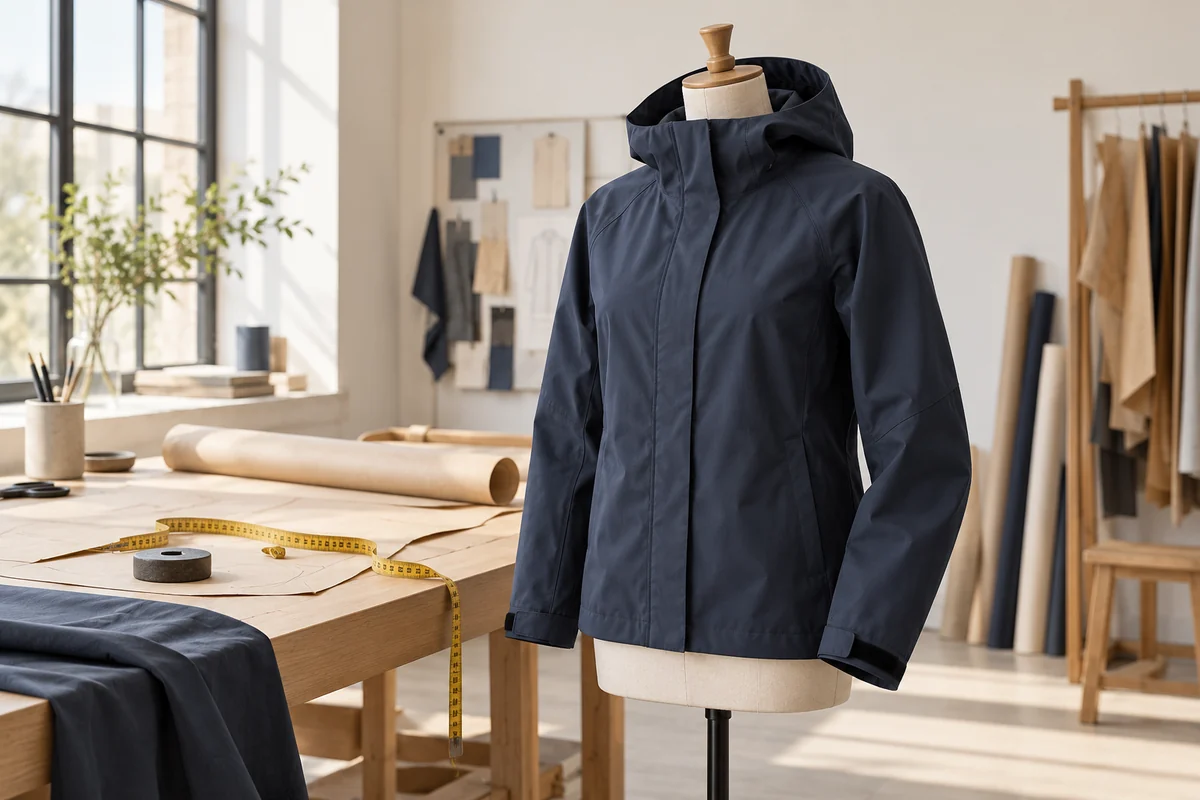
A sample is the place to resolve the decisions that drawings and fabric descriptions cannot settle alone. Give each review a clear purpose. Fit comments, construction changes and artwork approval should refer to the same version so the next step is unambiguous.

Approval should be documented rather than inferred from a photograph or an informal message. Confirm who approves the garment, which points are checked and which records will be used if questions arise during production.

Navy shell jacket on a dress form beside pattern paper and measuring tape for sample development

01

Agree the development brief

Bring the use case, design references, size information, performance requirements and quantity assumptions together. Identify open decisions before material selection or sample construction begins.

02

Confirm materials and trims

Review candidate fabric, lining and trim references. Record the selected construction package, colour direction and any checks needed before the materials are used in a sample.

03

Develop the pattern and sample

Use the agreed silhouette, measurement points and construction details to create a reviewable garment. Keep the sample revision and the specification version linked.

04

Review fit and function

Check appearance, measurements, movement, hood adjustment, pockets and closures. Record comments against the sample and decide which changes need another sample or targeted check.

05

Approve the production reference

Confirm the approved version, material and trim references, artwork and relevant verification requirements. Keep any unresolved item visible before bulk planning.

06

Plan the order and inspection

Align the size and colour breakdown, production schedule, inspection criteria and packing information. Agree what records are required for order acceptance and delivery.

RISKS TO CLOSE BEFORE BULK

Make the difficult questions part of the sample review

Procurement concernReview before approvalKeep in the project record
A strong fabric result is treated as a garment guaranteeSeparate the tested specimen from seams, closures and finished-jacket construction.Report scope and the checks agreed for the assembled configuration.
The jacket fits differently over the intended layersReview movement, sleeve reach, body ease, hood and hem with the planned underlayers.Approved measurements, fit comments and sample revision.
A trim or colour changes after the sampleReview the substitution before it is used and decide which features require rechecking.The changed reference, approval and any follow-up validation.
A delivery date assumes every approval is already completeBuild material availability, development, approval, testing and packing into the schedule.A confirmed order plan with responsibilities and open items.

On small screens swipe the table to compare each column

MOQ TIMING AND PACKAGING

Build the commercial plan around the actual order

The commercial review follows the chosen configuration. A custom colour, a different fabric package, a branded trim or a wider size range can change sourcing and production assumptions. Send the proposed breakdown early so the quote can explain what is included and which decisions remain open.

Quantity and order breakdown

Share the estimated quantity by style and colour, the size distribution and any planned repeat order. MOQ is confirmed after reviewing the material, trim, colour and production requirements. Avoid comparing only a single total quantity when the underlying assortment is different.

Development and delivery timing

Provide the required delivery window and the stage of the project. Sampling and production timing are confirmed with the brief, material availability, approval steps and relevant testing requirements. Distinguish a target date from a schedule agreed against a complete order.

Packing and shipment information

Confirm individual packing, labels, carton assortment, carton marks and destination information. Include any retailer, distributor or organizational requirements before the production reference is finalized. Agree commercial and shipping terms within the quotation rather than inferring them from a product page.

BUYER QUESTIONS

Waterproof jacket development FAQ

Can we start without a complete tech pack?

Yes. Begin with the intended use, a reference garment or clear images, a basic size direction and an estimated order scope. Identify which details must stay fixed and which can be developed. The first review should turn those inputs into a written brief before material and sample decisions are approved.

What is the difference between waterproof and water repellent?

Water repellency describes how the surface resists wetting under a specified assessment. Resistance to water penetration is a different property and requires an appropriate test. For a jacket project, also review seams, openings and the assembled construction. Define the intended claim and the evidence needed to support it.

Can we compare breathability numbers from different suppliers?

Only when the underlying methods and conditions are understood. Results from different test methods or different material configurations should not be treated as a direct ranking. Ask for the method, sample reference, conditioning and report scope, then agree a consistent basis for comparing the options relevant to your project.

Can you develop our own fit colours and branding?

Custom development can include silhouette, size information, colour direction, trims, artwork and labels. The proposed options are reviewed together with material and construction choices. Supply the reference chart and artwork requirements early so feasibility, sample work and commercial assumptions can be discussed on the same basis.

What determines the MOQ for a waterproof jacket order?

The required material and trim references, custom colours, style count, size assortment and production requirements all inform the review. Send a breakdown by style and colour rather than a total quantity alone. The applicable MOQ is confirmed in the project quotation after those details have been assessed.

How do we confirm sampling and bulk production timing?

Share the target delivery window, project stage and approvals already completed. The schedule needs to account for material availability, sample development, revisions, verification and packing requirements. Confirm the timing against an agreed specification and order plan rather than assuming one universal lead time for every jacket.

Does a fabric test report cover the finished jacket?

It describes the tested sample and stated scope. It does not automatically establish the result for every seam, closure or finished garment. Match the report to the selected material and define any additional checks needed for the assembled configuration and the claim your project intends to make.

What information helps prepare a useful quotation?

Provide your tech pack or reference, intended wearer and use, material preferences, size chart, construction details, performance requirements, estimated quantities and target delivery window. Include artwork, packing and destination requirements where available. Mark open decisions clearly so the quotation can identify its assumptions.

PREPARE YOUR WATERPROOF JACKET RFQ

Bring your requirements
and the decisions still open

Tell us what the jacket needs to do, who will wear it and how you plan to order it. A clear starting brief makes it easier to discuss the right material and construction direction, the sample work required and the basis for a meaningful quotation.

If you are still exploring, send the information you already have and identify the areas where you need development input. Keep performance requirements and target delivery dates explicit.

Include these project inputs

  • Product reference or tech pack and intended use
  • Fabric preferences and required performance checks
  • Size chart and proposed fit
  • Estimated quantity by style and colour
  • Branding packing and delivery requirements