PUFFER JACKETS OEM ODM PRIVATE LABEL

Puffer Jacket Manufacturer
for Brands

Develop custom insulated jackets around fit, fill and construction.

Bring a reference or tech pack. Review materials, quilting and sample approvals with SNOSEAM.

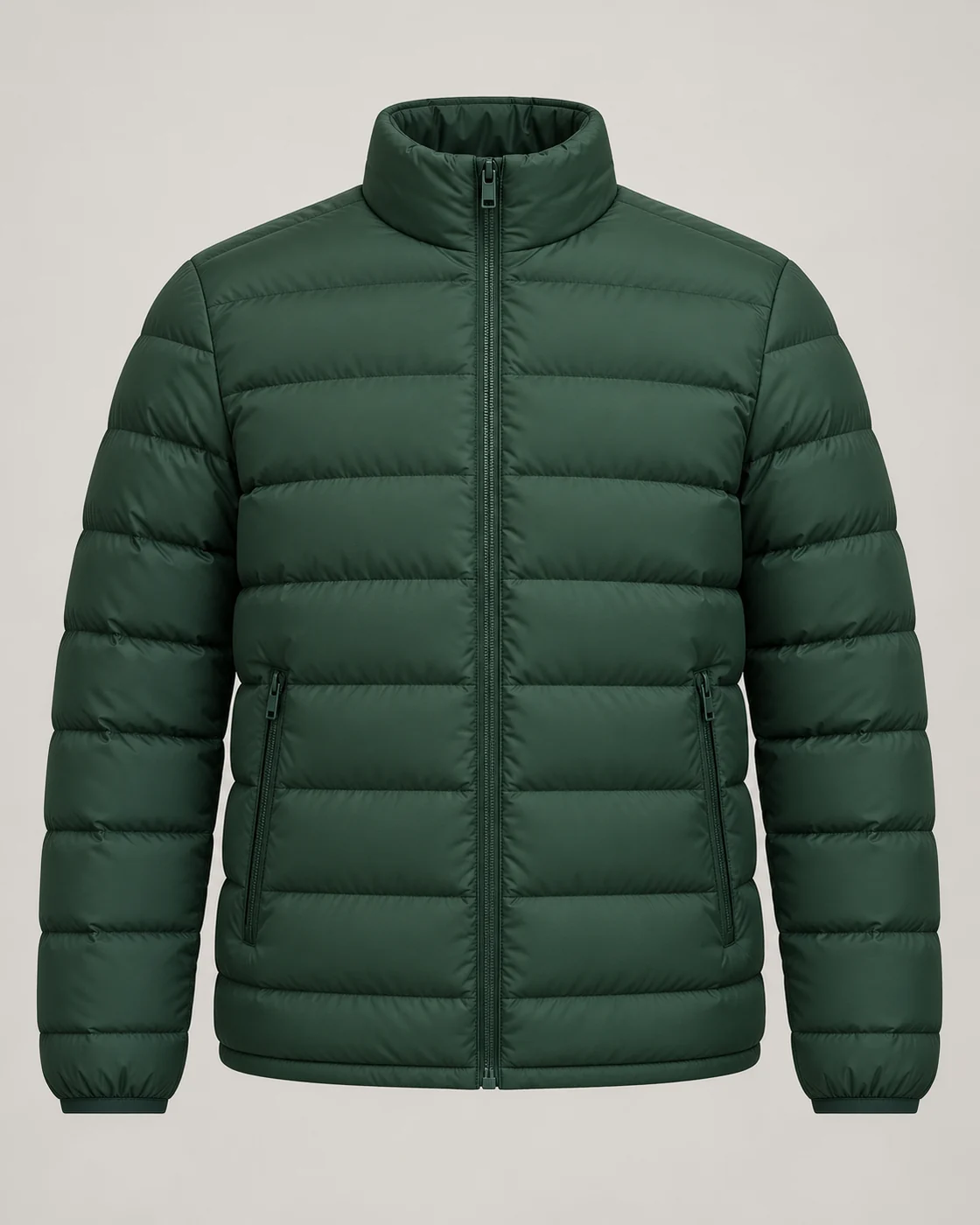
Forest green puffer jacket with a stand collar horizontal quilting and two zip hand pockets

START WITH THE WEARER

A puffer brief needs more than a quilt pattern

A puffer jacket combines a shell, insulation, lining and construction details that need to work together. The quilted appearance does not identify the filling or establish a warmth level. Begin with the intended use and the place the jacket will hold in the collection, then select materials and details against that brief.

01

Define the wearing conditions

State the season, activity, expected base or mid layers, use of a backpack and whether the jacket is worn on the move or mainly at rest. Describe the exposure and the wearer instead of relying on a broad winter label.

02

Set the product direction

Choose a compact layering piece, an everyday puffer or a fuller cold weather silhouette. Review length, hood, collar, pocket access and the balance between bulk and movement before fixing the material package.

03

Name the approval questions

Decide which fit, appearance, care and performance requirements must be closed at sample stage. Keep target claims, test needs and commercial assumptions visible so each sample has a specific purpose.

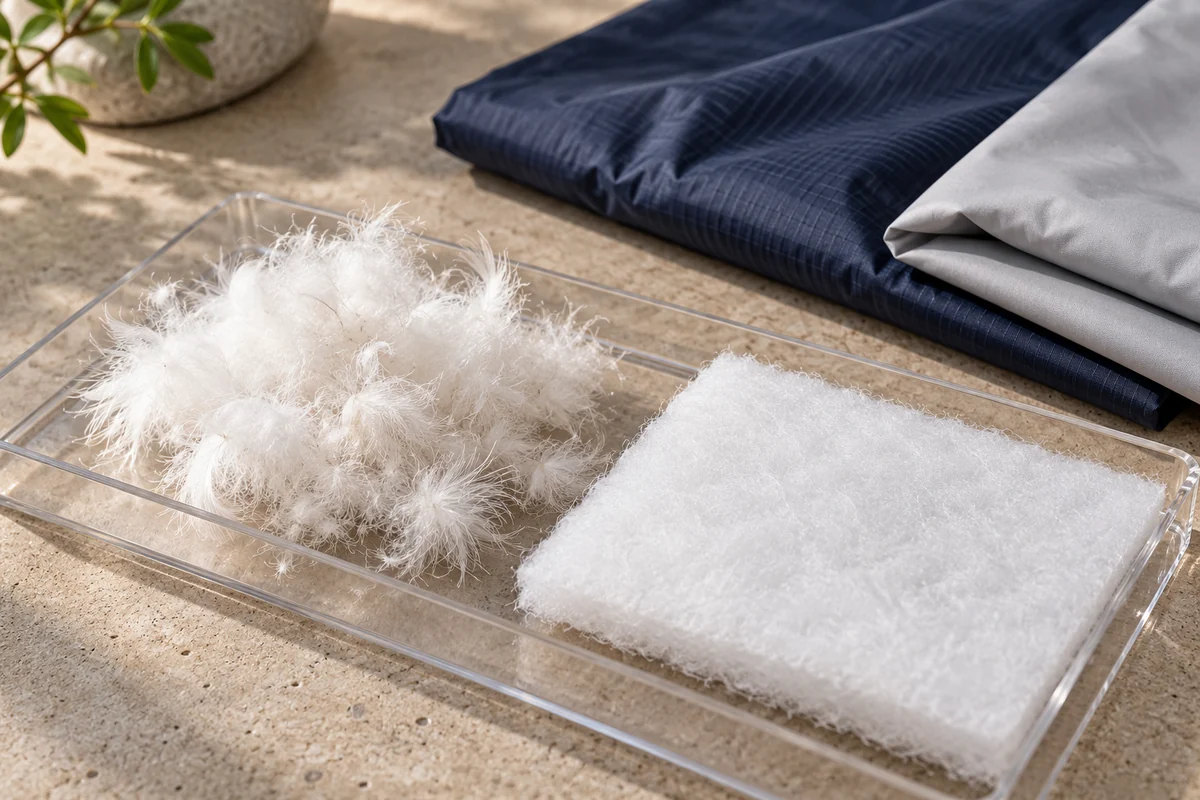
Separate down clusters and synthetic batting samples beside shell and lining fabrics

Keep one identifiable material package

Record shell and lining supplier articles, the exact filling reference, colour, finish and any supporting documents. Review proposed substitutions before they enter a sample or order, because a change can affect appearance, fill containment, care and the evidence behind a claim.

FILLING AND FABRIC SELECTION

Choose the insulation before you fix the silhouette

Down and synthetic insulation are different material routes. A useful comparison identifies the specific material and the garment it will be used in. Decide the target bulk, handling, care, sourcing requirements and verification scope together; a generic filling name does not settle those decisions.

Down filling direction

Specify the declared composition, source reference, required fill power method and fill mass by size or zone. Keep material identity, batch evidence and destination labelling needs connected to the project. Confirm whether any responsible sourcing claim is part of the request.

Synthetic insulation direction

Identify the insulation supplier article and its form, such as sheet or loose filling. For sheet insulation, record the selected weight and placement; for loose filling, record the allocation basis. Review the finished sample for distribution, recovery, care and the required claim.

MAKE THE INSULATION BRIEF COMPARABLE

Read fill power together with fill mass and construction

For down, fill power describes the volume occupied by a specified amount of filling under a defined test procedure. It does not state how much filling is inside your jacket. Request the method, units, conditioning and material reference when comparing results, then record the actual fill allocation in the garment specification.

IDFL notes that handling, compression and conditioning can influence fill power measurements. Compare reports on a consistent basis and agree how the sample will be prepared for any recheck.

Approve the finished garment question

Fill mass, chamber layout, coverage, fit and closures all belong in the product review. A material result should not become an unsupported temperature rating for the jacket. If a thermal claim is required, define the intended garment test and acceptance criteria with the responsible technical team.

BALANCE COVERAGE BULK AND MOVEMENT

Fit the insulation to the way the jacket will be worn

Use the fit sample to check coverage and movement with the intended layers. Body length, sleeve volume, armhole shape and collar height should be reviewed alongside the insulation package. Do not approve the silhouette on a dress form alone when the jacket needs to work during reach, sitting or equipment use.

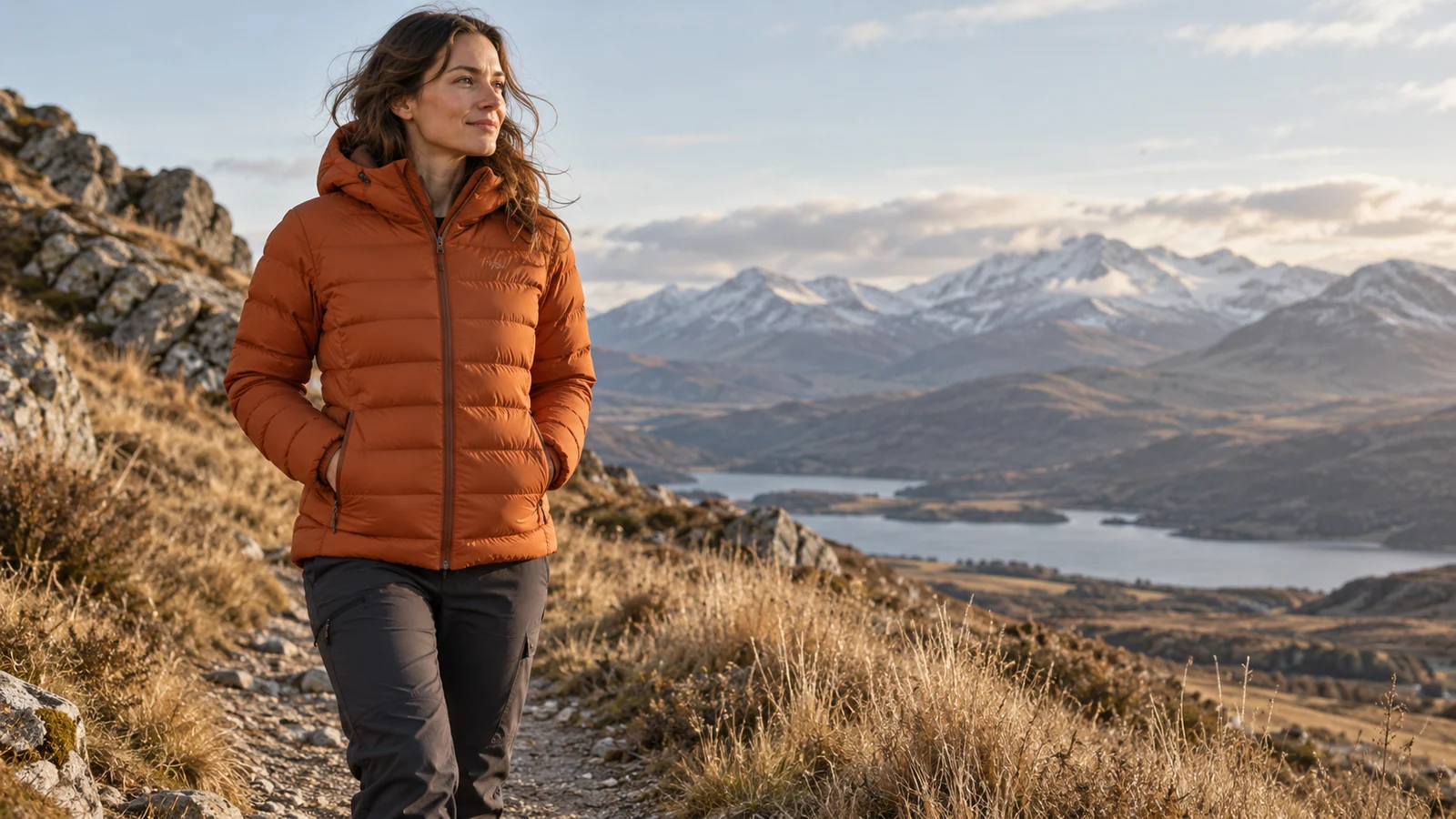
Woman wearing a burnt orange hooded puffer jacket on a cold highland trail

Review the complete wearing system

Try the jacket over the planned base or mid layer in the agreed size. Check shoulder reach, elbow bend, hem lift, zipper tension and pocket access. Repeat the same routine after revisions and retain photographs or comments tied to that sample version.

If the collection includes an outer shell, assess the combination rather than assuming the puffer will fit beneath it. Extra bulk at the collar, cuffs or sleeve can change comfort and movement even when individual measurements appear acceptable.

Keep weather claims separate

A quilted jacket is not automatically waterproof. Shell finishes, seams, zipper openings and the intended claim need their own review. Describe wind and precipitation exposure in the brief and identify where a separate weather layer is expected.

GARMENT CONSTRUCTION

Use quilting to support the product brief

Quilt lines are both a design decision and part of the insulation layout. Confirm what is stitched, what is filled and how the construction is finished before the sample becomes the bulk reference. A drawing of the exterior alone may leave important internal choices unresolved.

01

Chambers and fill placement

Set the quilt geometry, chamber dimensions and filling or insulation allocation. Review distribution around the shoulders, side body, hood and sleeves, then retain the layout with the approved sample.

02

Shell lining and containment

Review the proposed fabrics and seams with the exact filling. Agree how leakage or migration will be assessed and which material or garment evidence is needed for the project.

03

Closure and edge details

Check the front zipper, inner guard, collar finish, cuffs, hem and pocket access as a system. Review comfort at the chin and wrist and how adjustments work with the intended layers.

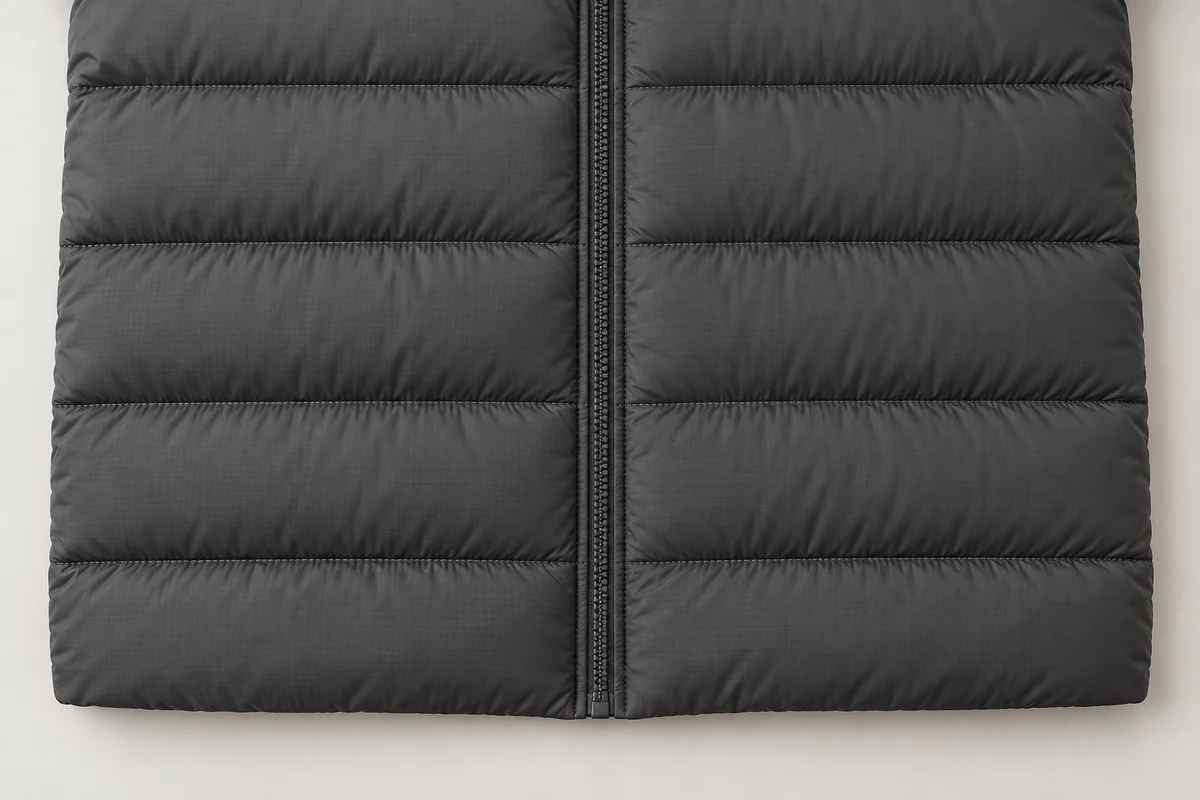
Front of a charcoal puffer jacket with quilt seams aligned across a straight center zipper

Confirm the actual construction route

Stitched through, offset or other chamber concepts need a technical review against the chosen material package. Keep seam sections, stitch details and filling instructions in the tech pack. A change to quilt spacing, thread, fabric or fill can require a fresh appearance and function check.

CUSTOMIZATION WITH A TRACEABLE REFERENCE

Record the choices that change the jacket

Define which requirements are fixed and which need development input. Colour, fit, fill allocation, quilt pattern and trims should be approved together in one revision. A quotation should state its configuration so a later material or design change can be reviewed rather than silently carried into production.

Project choiceBuyer inputApproval record
InsulationExact material direction composition request and any performance or sourcing requirement.Material reference fill allocation and applicable reports.
Shell and liningTarget hand appearance colour finish and intended care.Approved articles swatches and any relevant compatibility review.
Fit and coverageWearer size range layering length hood or collar and movement needs.Graded measurements fit comments and named sample revision.
Quilt and detailsChamber drawing zipper pockets cuffs hem and internal finish.Construction sheets trim card and approved garment.
Branding and packingArtwork labels hangtags bagging carton assortment and market instructions.Decoration sample artwork approval and packing specification.

QUALITY AND EVIDENCE

Decide what the sample needs to prove

A useful inspection plan connects the requirement, the test or review, the sample configuration and the acceptance decision. Keep material testing distinct from finished garment review, and agree which checks are required before approval, before bulk release and on the order itself.

01

Material identity and filling

Match the composition, fill mass and any down fill power requirement to the selected material and test scope. Keep report identity, sample description and agreed tolerances with the approval record.

02

Distribution and containment

Review fill distribution, chamber consistency and any leakage or migration requirement using a method suitable for the exact construction. Do not transfer a fabric result to a different filling or seam arrangement.

03

Care and recovery

Agree the care routine and the handling after packing or compression. Review loft recovery, clumping, dimensions, surface appearance and trim operation after the specified sequence.

04

Garment and commercial claims

Confirm wording against the available evidence for the intended market. Thermal, water protection, recycled content and responsible sourcing claims each need their own substantiation and approval.

If an RDS request is part of the brief, verify the applicable certification, chain of custody documents and claim permission for the actual supply route. Textile Exchange describes RDS as an animal welfare and chain of custody standard; it does not establish a jacket warmth rating.

Textile Exchange Responsible Down Standard guidance

SAMPLE DEVELOPMENT

Turn the puffer concept into an approved configuration

Give each sample a clear question to answer. A fit sample, a material review and a final approval may close different decisions. Keep reviewer comments in one revision log so the accepted quilt appearance, filling allocation, size chart and trim package do not drift apart.

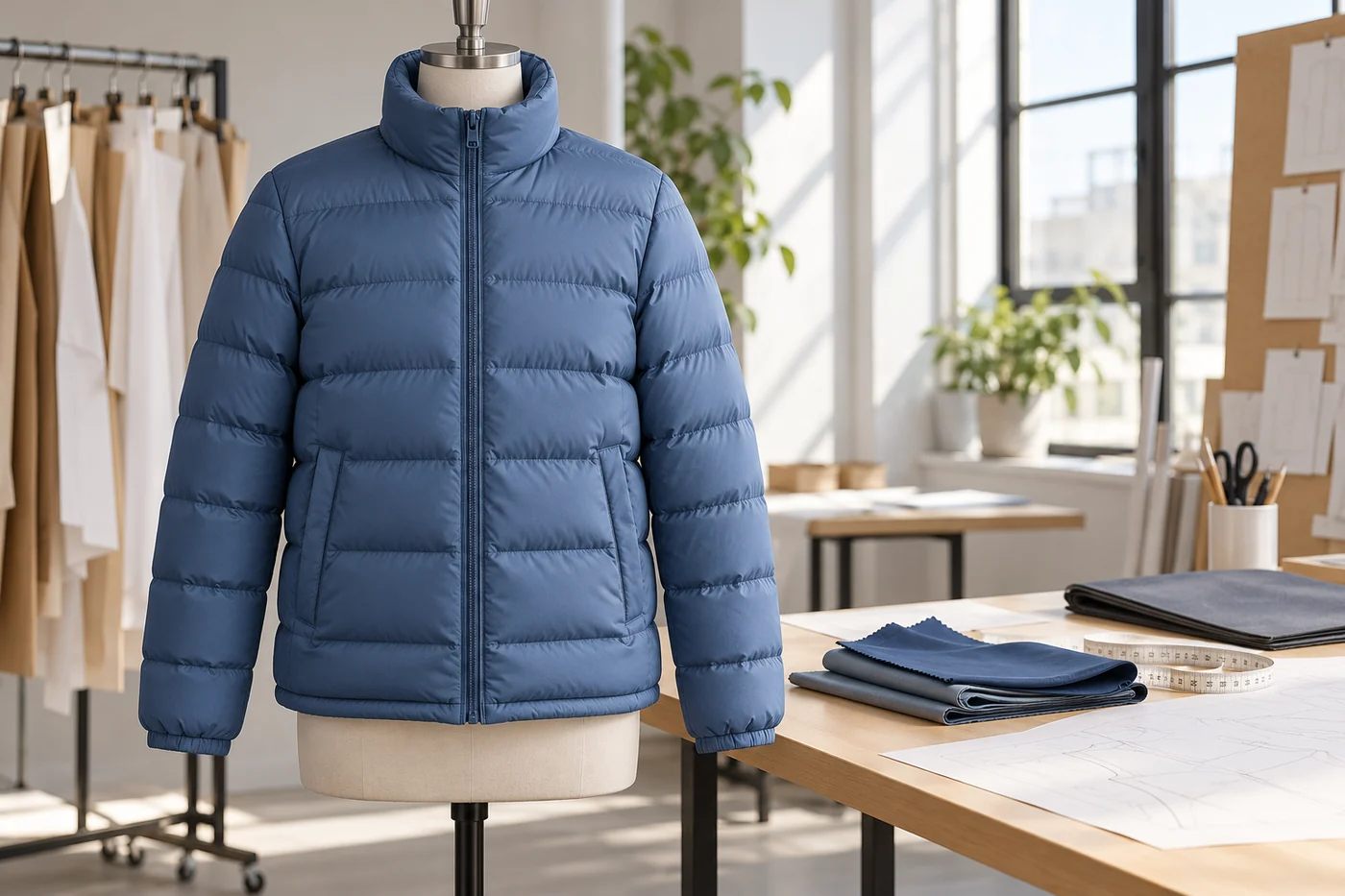
Blue puffer jacket sample on a dress form beside shell swatches and pattern paper

Review the approved jacket with its material list and construction sheets. Photographs help document appearance, but they do not replace measurements, fill instructions or the written closure of outstanding changes.

01

Material and fit review

Fix the shell lining filling and trims used in the sample. Review measurements and movement with the intended layers.

02

Construction and care review

Close the quilt layout fill distribution details artwork and agreed care or test checks against one revision.

03

Preproduction reference

Confirm the final specification outstanding actions packing and responsibilities before releasing the production reference.

Reopen the affected approval when the specification changes

Changing the shell, filling, chamber size, lining or trim after approval can affect more than appearance. Record the change, identify the checks it affects and confirm the revised reference in writing before it enters the order.

MOQ TIMING AND PACKING

Make the order reflect the approved puffer

Send the expected quantity by style and colour with the size mix, target delivery window and destination. Material minimums, custom colours, the filling package, trims, testing and approval cycles all inform the commercial review. Confirm the applicable MOQ and schedule for the actual configuration in the quotation.

Assortment and sourcing

Distinguish first order demand from repeat programme expectations. State whether colours share a material package or require separate development. Include any continuity, restricted substance, filling origin or documentation requirements early.

Development and schedule

Identify who supplies the tech pack, artwork, size chart and test requirements. Allow for sourcing, sample revisions and review. A requested shipping date should remain a target until material availability, approvals and the order schedule are confirmed.

Packing and presentation

Agree folding or compression, individual packing, hangtags, carton assortment and destination instructions. Include unpacking and recovery expectations in the sample review so packing decisions match the approved presentation and care guidance.

BUYER QUESTIONS

Puffer jacket development FAQ

Align material selection, technical review and purchasing before the final sample is approved.

Is every puffer jacket filled with down?

No. Puffer describes an insulated quilted garment direction and does not identify the filling. Specify the exact down or synthetic material reference, its allocation and the shell and lining used with it.

Does a higher fill power guarantee a warmer jacket?

Fill power is a down material measurement under a defined procedure. It does not state the amount of fill in the jacket. Review fill mass, distribution, coverage, construction, fit and any required finished garment evidence together.

How should we choose down or synthetic insulation?

Start with intended use, target bulk, care, sourcing requirements and the desired garment appearance. Compare identified material options in the planned construction and sample rather than relying on generic filling names.

Can a puffer jacket be described as waterproof?

Only when the intended claim is supported by suitable material and garment evidence. Quilting and a shell finish alone do not settle seam, opening or finished garment performance. State the required claim and review the construction and verification plan.

Can we change the quilt pattern and filling distribution?

Provide the desired quilt layout and target silhouette. Review the construction route, chamber dimensions, fill allocation and sample appearance together. Changes after approval should be assessed and recorded before production.

What should we check after packing or washing?

Agree the care and unpacking procedure, then review recovery, fill distribution, clumping, dimensions, shell appearance and trim operation on the identified sample. Define acceptance criteria before the review.

Can we request responsible down or recycled content?

Include the exact sourcing or content claim in the brief. The material, supply route, supporting documents and permission to make the claim need to be verified for the specific project. No certification is implied by the category name.

What should we send for a puffer jacket quotation?

Send a tech pack or reference, intended wearer and layers, insulation direction, shell and lining preferences, quilt layout, size chart, artwork, quantities by colour and size, required claims and tests, packing, destination and target delivery window.
PREPARE YOUR PUFFER JACKET RFQ

Bring the insulation brief
and the choices still open

Tell us who will wear the jacket, how it will be layered and what needs to be approved before the order. Connect the desired silhouette with the filling, material package and evidence requirements so the first review can focus on the right decisions.

You can begin with a reference and a product direction. Mark the fixed requirements and the areas where you want development input.

Include these project inputs

  • Tech pack reference or product direction
  • Wearer season activity and layering
  • Shell lining insulation and quilt preferences
  • Size chart details artwork and colour references
  • Claims care and verification requirements
  • Quantities packing destination and delivery window