WORKWEAR JACKETS OEM ODM PRIVATE LABEL

Workwear Jacket Manufacturer for Teams and Brands

Develop durable work jackets around the tasks the wearer performs the conditions they meet and the standards your project needs to document.

Bring a technical pack an approved sample or a structured product direction. SNOSEAM can help organize material options pattern and movement review functional details sample approval and the inputs needed for a comparable quotation.

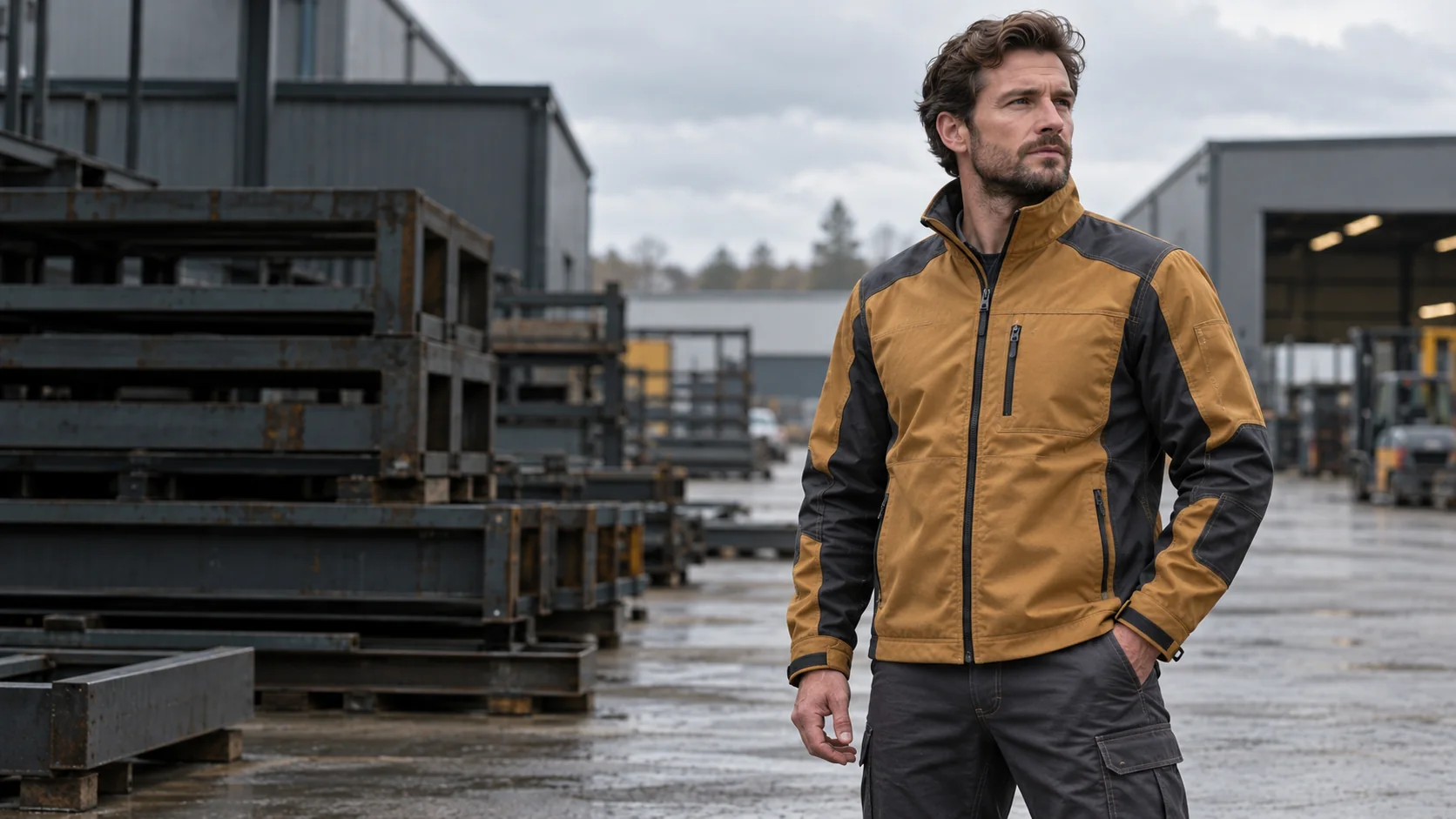
Worker wearing an ochre and charcoal workwear jacket in an industrial equipment yard

01

Wearer and task

Describe the job movement routine tools contact points and time the jacket is worn.

02

Environment

Record indoor outdoor weather temperature visibility and care conditions separately.

03

Product system

Connect shell lining reinforcement trims fit pockets branding and required evidence.

04

Order programme

Define size range quantities repeat needs packing destination and approval owners.

START WITH THE WORKING DAY

Choose the programme before choosing the features

Workwear is a use category rather than one fixed jacket construction. A warehouse team a mobile service crew and an outdoor maintenance group may require different movement pocket protection care and identification decisions. Describe the working day first so every material and feature can be reviewed against a real task instead of a generic durability claim.

01

General service jacket

Build around daily wear frequent pocket access practical care and a fit that works over the named uniform layers. Separate everyday durability from any regulated protective requirement.

02

Outdoor operations

Define weather exposure activity level and shift duration before choosing a shell system or insulation. Review protection movement and drying as different decisions.

03

Team and corporate programme

Add visual identity size inclusivity replacement orders and colour continuity to the technical brief. A uniform programme needs records that can be repeated after the first delivery.

DEFINE AN APPROVABLE REFERENCE

Turn work requirements into one jacket direction

A reference jacket is useful when the buyer identifies what should remain what must change and what still needs development. Use it to discuss silhouette pocket logic closure protection reinforcement and care rather than copying details without understanding their task.

Shell and warmth

Decide whether the jacket is an unlined shell a light lined layer or a cold weather system. State expected layers and activity so pattern volume and comfort can be reviewed together.

Fit and reach

Name the posture and movement routine that matters. Check shoulder reach elbow bend hem position cuff access and pocket use on the intended wearer and size range.

Pocket tasks

List what each pocket carries how often it is reached and whether access must work with gloves or another layer. Content weight and tool shape affect position reinforcement and closure.

Care and continuity

Record the expected care route appearance requirements replacement cycle and repeat order plan. Material colour trim and measurement references should remain traceable.

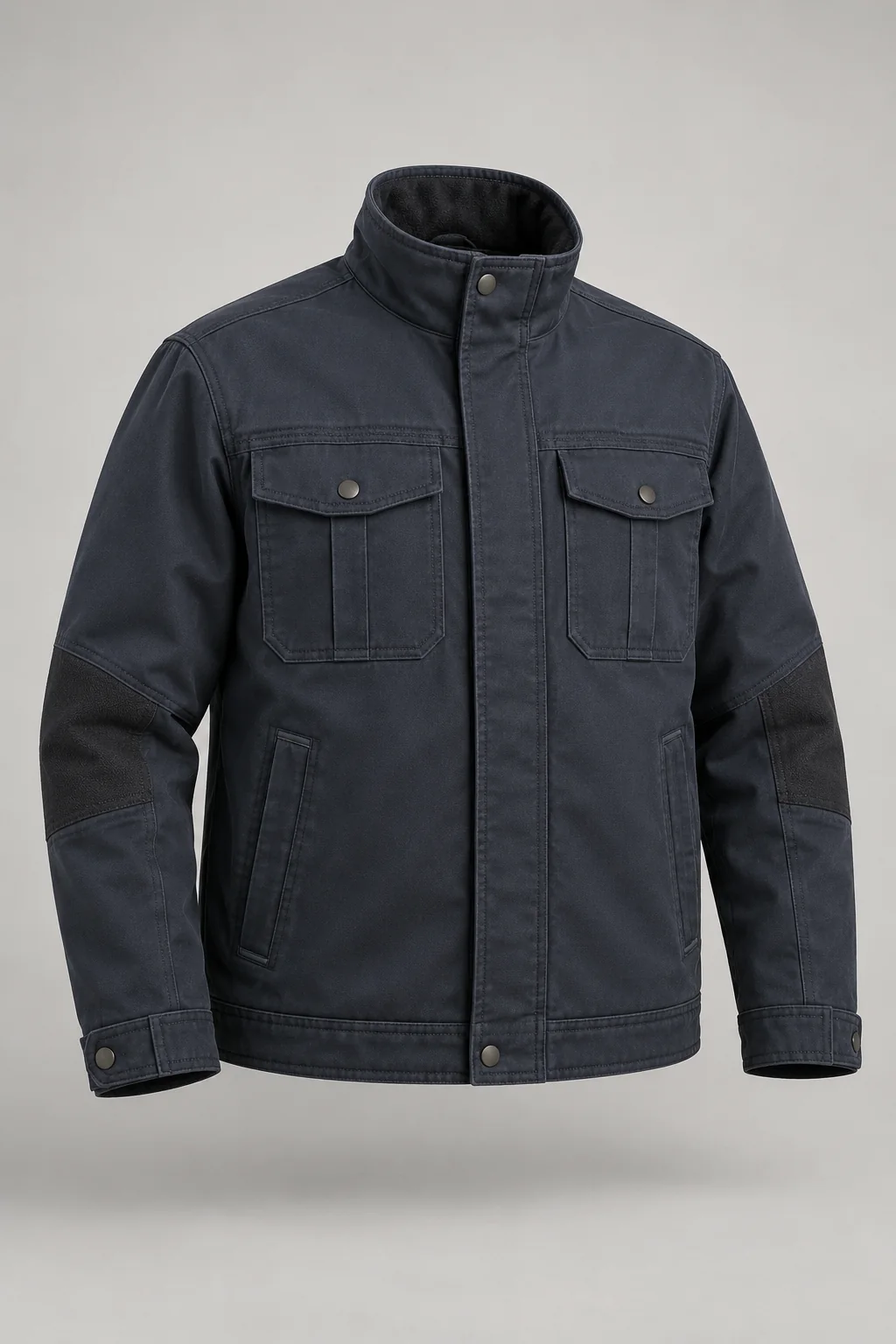
Graphite navy workwear jacket with chest pockets reinforced elbows and a covered front zipper

MATERIAL AND TRIM SYSTEM

Approve the complete package rather than a fabric name

Durability depends on the material construction location of stress care history and the acceptance method used. A heavy fabric is not automatically the right fabric and a reinforcement does not help if it restricts movement or fails at its attachment. Keep each selected article colour finish and source in one bill of materials tied to the sample revision.

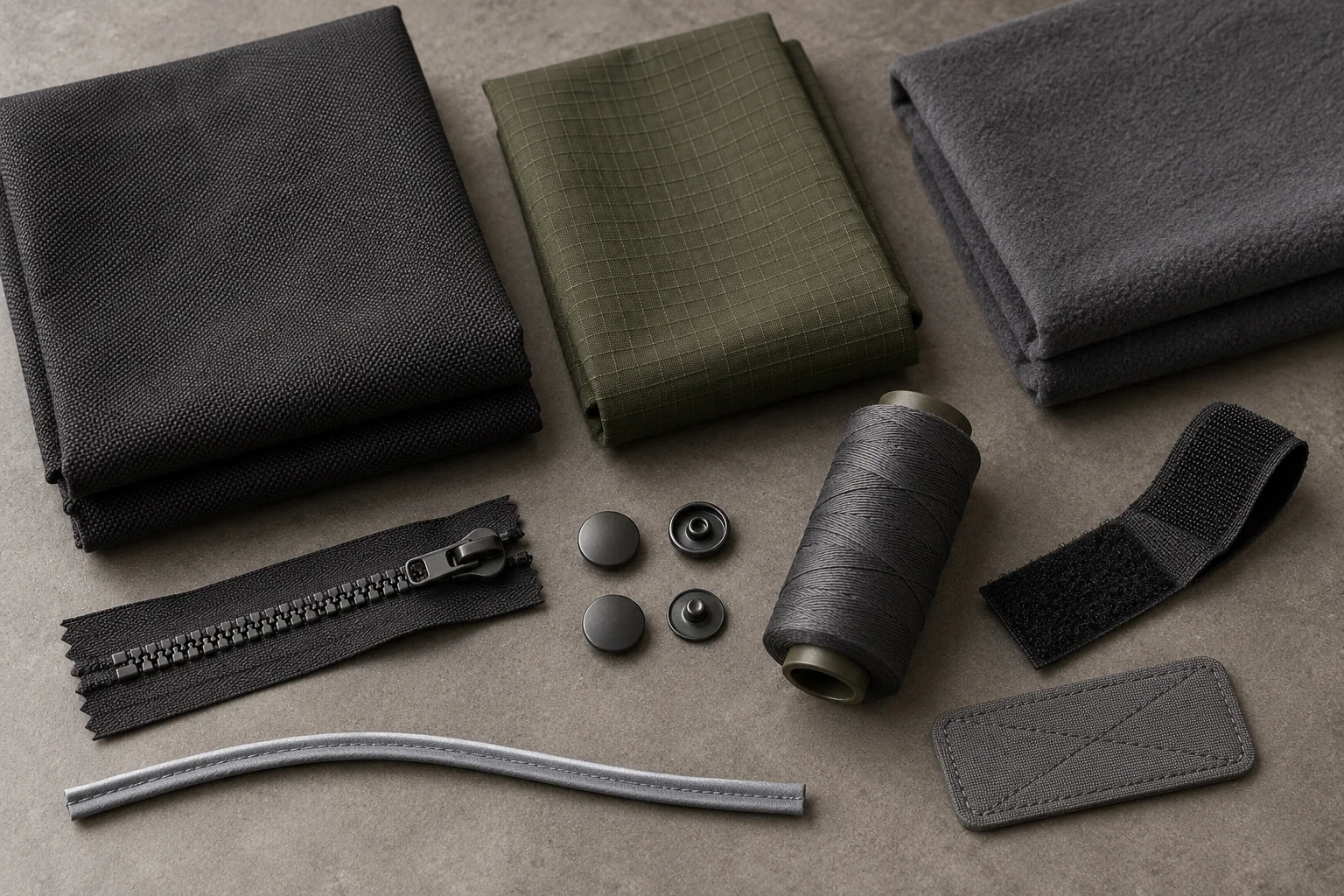
Workwear jacket fabrics zipper snaps thread reflective piping and reinforcement patch arranged for sourcing review

Build a traceable material record

Compare options against the same task and care assumptions. If a fabric trim finish or reinforcement changes identify the fit construction appearance and test checks that must reopen before the replacement is approved.

Shell fabric

Record supplier article fibre content weave mass finish colour and intended end use. Review hand noise drape and high contact areas on the garment sample rather than from a small swatch alone.

Lining and insulation

Name the exact lining or insulation option and where it is used. Check bulk recovery seam interaction drying and comfort beside the wearer and the planned care route.

Trims and reinforcement

Connect zippers snaps hook and loop thread reflective details labels and overlays to the same material record. A component substitution can change operation appearance care and evidence.

Two workers in charcoal and olive jackets moving an equipment case in an organized workshop

FIT AND TASK MOVEMENT

Test the jacket while the wearer performs the job

A standing fit photograph does not show how the garment behaves while reaching lifting kneeling driving or using tools. Define a short repeatable movement routine and use the intended shirt mid layer trousers gloves and equipment. Record the sample size wearer and revision with every comment.

Watch shoulder restriction sleeve ride cuff position hem lift front closure tension and pocket access. If added ease solves one movement but creates loose fabric near equipment return to the task risk and pattern balance rather than adding volume everywhere.

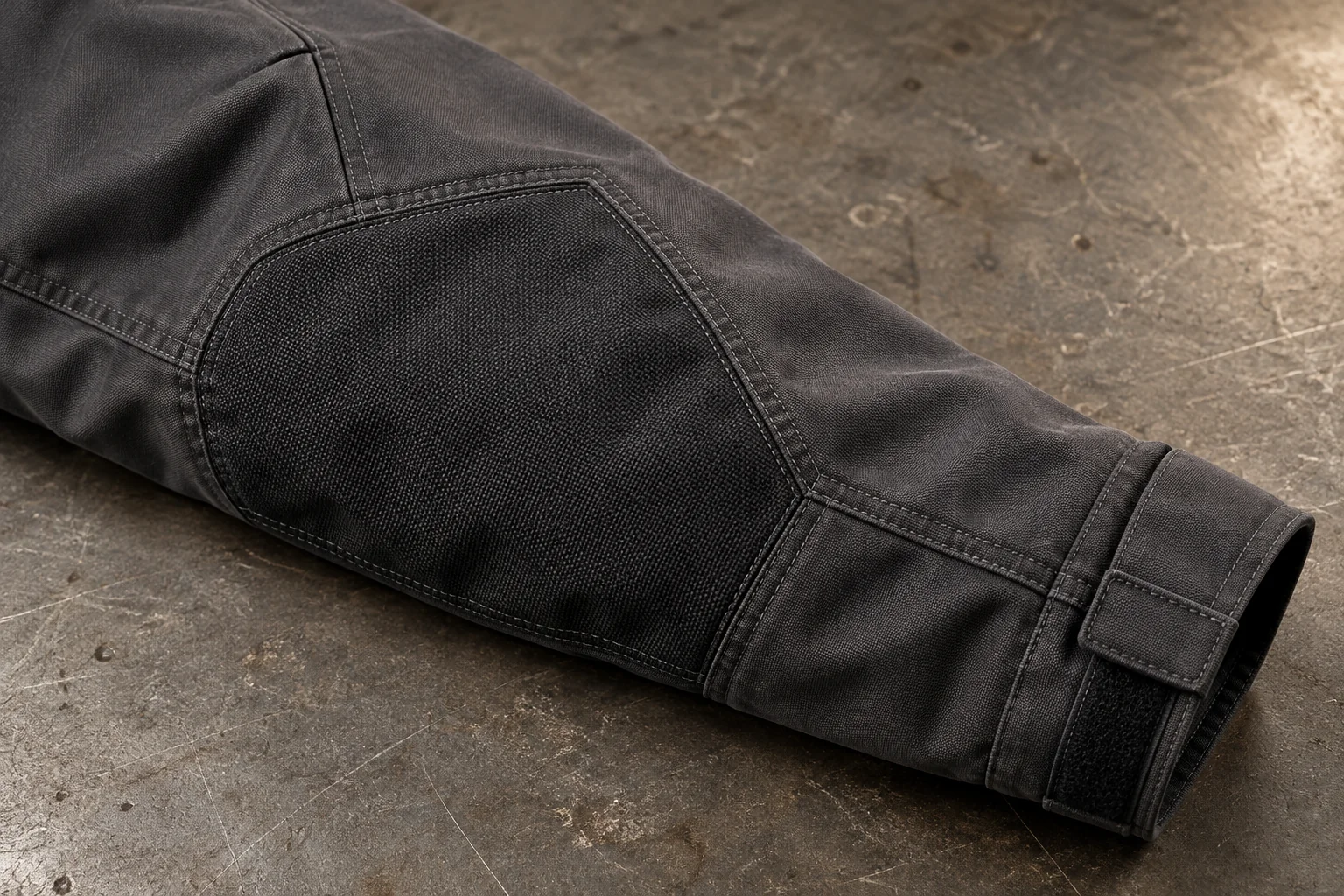
Workwear jacket sleeve with a reinforced elbow double needle stitching and adjustable cuff

CONSTRUCTION THAT MATCHES THE TASK

Put extra structure only where it earns its place

More panels and more stitching do not automatically create a better work jacket. Each reinforcement and closure should answer a known contact movement load or service need. Review how the selected materials behave together and whether the detail remains comfortable through the full range of motion.

01

Reinforcement zones

Place overlays where the task creates repeated contact. Confirm the base fabric overlay material panel shape edge position and whether the added stiffness changes elbow or shoulder movement.

02

Seam and stitch route

Identify load bearing or high movement seams and choose an appropriate construction for the selected fabric. Stitch count thread and seam allowance should be checked on production equipment.

03

Cuffs and openings

Review adjustment range glove interaction snag exposure and repeated operation. Hook and loop snaps and elastic each create different care replacement and comfort questions.

04

Pocket attachment

Check bar tacks reinforcement pocket bag capacity opening stress and content security. Approve the actual object or load expected for each task critical pocket.

Keep the approval physical

Use photographs drawings seam samples and the complete garment together. A drawing can define intent while the sample confirms hand clearance stiffness bulk alignment and the appearance of the finished operation.

SPECIFICATION DECISIONS

Connect each workwear choice to an approval method

Use the matrix to organize an initial technical pack or supplier discussion. The final construction and acceptance criteria should be selected for the actual task material package destination and responsible technical team.

Decision areaInformation to provideSample reviewEvidence or record
Wearer and environmentJob role movement conditions wearing duration and other layersWear trial using the named routine and sizeApproved use brief and fit record
Fabric and colourSupplier reference construction finish colour and care directionHand drape noise comfort and garment appearanceBill of materials colour standard and applicable reports
Pockets and toolsContents dimensions weight access frequency and security needLoad access closure and attachment checkPocket drawing and approved load or object reference
ReinforcementContact zone base fabric overlay and flexibility targetMovement edge comfort and panel placementConstruction detail and sample photographs
Brand identityArtwork technique colour dimensions position and visibilityStrike off and placement on the garment size rangeApproved artwork label and trim record
Order programmeQuantity by style colour size repeat need packing and destinationPacking sample and assortment reviewQuotation packing instruction and release checklist

TEAM IDENTITY AND REPEAT ORDERS

Build the programme around recognition and continuity

A workwear project often has to remain recognizable and reorderable after the launch. Treat artwork panel colours labels and replacement order rules as part of the product specification. The first approved jacket becomes more useful when later teams can trace exactly what was selected and what may be changed.

Branding that fits the garment

Provide vector artwork colour standards technique dimensions and placement. Review embroidery patches transfers or badges on the selected material because backing density heat and panel position can affect hand movement and appearance.

Colour blocking for identification

Define whether colour separates teams roles or brand lines. Keep each panel colour and material reference in the tech pack and check alignment across graded sizes. Visibility requirements need their own technical and regulatory review.

Repeat order continuity

Record the approved fabric trim shade measurement and packing references. When an article becomes unavailable compare alternatives openly and reopen the checks affected by the change instead of treating the replacement as equivalent.

RISK AND VERIFICATION

Verify the chosen configuration and the claim you intend to make

Testing is useful when the question sample method conditioning units and acceptance level are defined. Connect each report to the exact fabric component or garment it describes. If materials construction care or suppliers change identify whether the previous evidence still applies before approving the new version.

01

Abrasion and seam questions

Choose methods specimen locations conditioning and acceptance criteria that match the risk being assessed. A fabric abrasion result does not describe every seam reinforcement or finished garment zone.

02

Dimensional and care review

State the washing drying or cleaning route and measurement points. Check fabric shrinkage garment measurements trim operation colour and surface after the agreed sequence.

03

Colour and appearance

Review shade colourfastness transfer and visible surface change for the exact colour and material. Record the standard lighting reference and specimen history used for comparison.

04

Closure and pocket operation

Define a repeatable operating or load check for zippers snaps hook and loop and task critical pockets. Keep the component reference sample size and result with the approved version.

Protective classifications need separate confirmation

High visibility flame resistance electric arc chemical protection antistatic or other regulated claims are not established by a generic workwear jacket page. The buyer should identify the destination standard hazard assessment product classification approved materials test scope certification and labelling route. SNOSEAM should confirm capability and evidence for that exact programme before any claim is published.

FROM BRIEF TO APPROVED SAMPLE

Give every sample a question to settle

A sample should not become the production reference simply because it looks close. State what each version is intended to confirm and keep comments in one revision log. Name the sample material package size reviewer date and remaining actions so approvals do not drift between design technical and purchasing teams.

Direction sample

Confirm product role silhouette material route pocket tasks reinforcement priorities and open evidence questions.

Fit and movement sample

Use the named wearer layers and task routine to close measurements reach hem position cuffs and pocket access.

Detail and branding sample

Approve construction trims pocket loads artwork labels colour blocking care and the affected verification plan.

Production reference

Close graded measurements tolerances bill of materials packing acceptance criteria and all remaining actions before release.

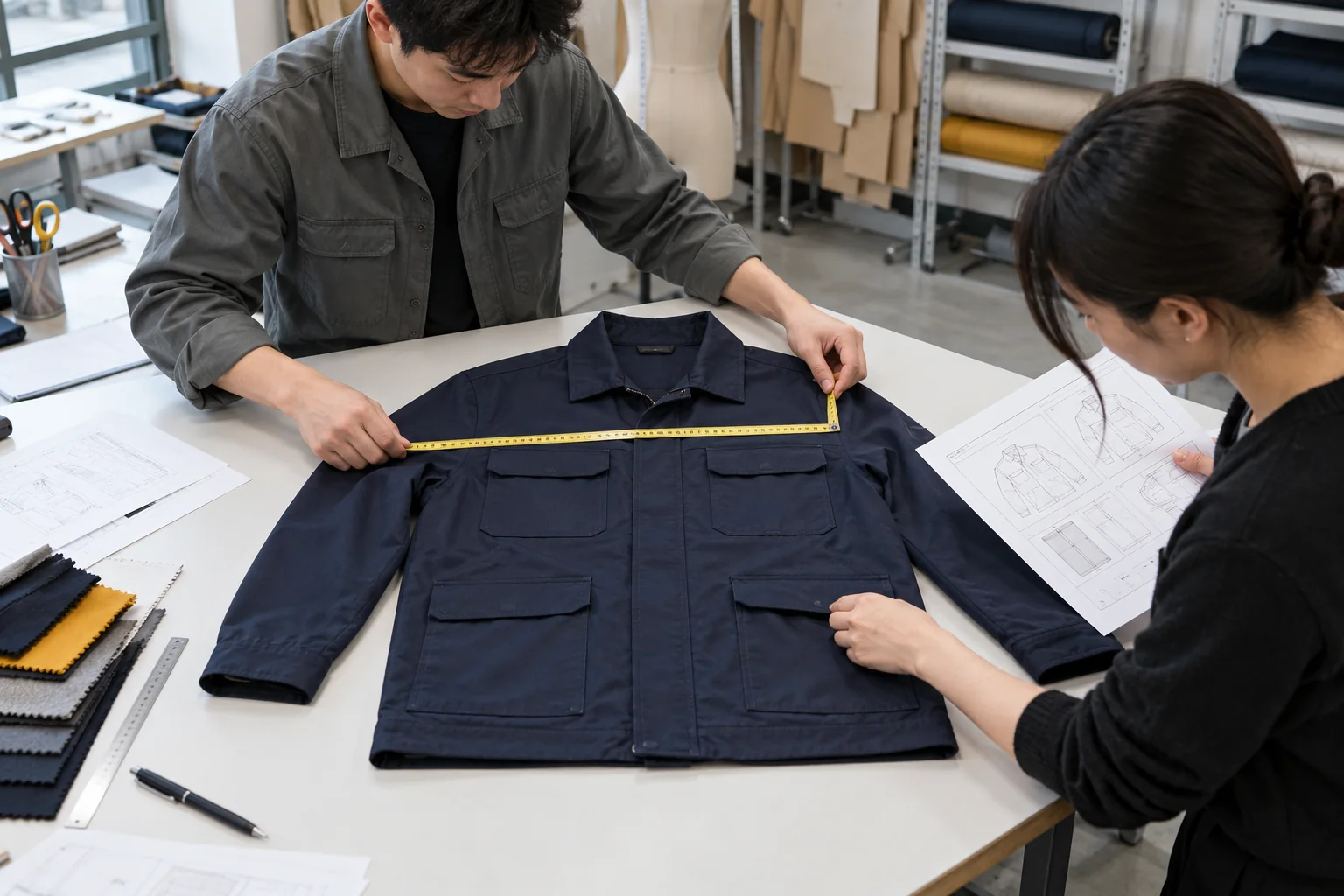
Technicians measuring and checking a navy workwear jacket sample on an inspection table

MOQ TIMING AND PACKING

Build the commercial review around the approved workwear jacket

Material minimums custom colours trims artwork style count size assortment evidence sample cycles and packing all affect MOQ price basis and schedule. Share the estimated order mix and destination early so the supplier can state assumptions and identify the decisions that must close before a firm quotation or production plan is issued.

Assortment and replacement

Provide quantity by style colour and size plus expected replacement or repeat demand. State whether different teams need separate identification packing or issue records.

Timing and responsibilities

Identify who supplies the tech pack size chart artwork standards and destination requirements. Leave time for sourcing sample review revisions and any required evidence before production release.

Packing and delivery

Define folding bagging labels hangtags carton assortment carton marks destination and any distributor or workforce issue instructions. Confirm the final route in the quotation for the actual order.

BUYER QUESTIONS

Workwear jacket development FAQ

Use these questions to align design technical compliance purchasing and operations before sample development begins.

What should start a workwear jacket project?

Send the wearer and job context movement routine environment layering product role material direction pockets and tools size range artwork quantities destination delivery target and any required standards or evidence.

Can one workwear jacket suit every job?

Usually not without tradeoffs. Different jobs change movement contact weather pocket access care visibility and regulatory questions. Start with the task and separate shared programme features from role specific variants.

How should fabric durability be specified?

Name the supplier article or target construction and define the risk to assess. Record the test method specimen conditioning result units and acceptance level. Review the selected fabric in the finished garment and care route.

Where should reinforcement be added?

Use the job movement and contact map to identify real wear zones. Check overlay material stiffness panel shape edge position seam attachment and mobility on the actual sample rather than adding patches as decoration.

How do we approve workwear pockets?

List each pocket contents dimensions weight access frequency security and glove needs. Review placement opening closure pocket bag attachment and load on the intended size and wearer.

Can branding be added to the jacket?

Yes when the technique artwork size colour and placement are defined. Review a strike off on the selected material and check comfort movement durability and appearance before approving the production method.

Can SNOSEAM claim a protective standard?

A claim requires the exact hazard product classification destination standard approved materials construction test certification and labelling route. Capability and evidence must be confirmed for the actual programme before any regulated claim is used.

What determines MOQ and lead time?

Fabric and trim minimums custom colours style count sizes artwork sample revisions evidence packing and order mix affect the applicable terms. Send quantities and delivery window for a project specific review.

PREPARE YOUR WORKWEAR JACKET RFQ

Bring the job brief and the decisions still open

Tell us who will wear the jacket what work they perform where it will be used and what your team needs to approve. Connect the task profile to the material system fit construction pocket plan identity evidence and order programme so the first review can focus on the right decisions.

You can begin with a technical pack an approved reference or a structured product direction. Mark fixed requirements development choices and any protective classification that needs separate technical confirmation.

Include these project inputs

  • Wearer role tasks movement and environment
  • Product role layering fit and size range
  • Shell lining reinforcement and trim direction
  • Pocket contents artwork and identification
  • Care claims standards and evidence needs
  • Quantities packing destination and delivery window