FLEECE JACKETS OEM ODM PRIVATE LABEL

Fleece Jacket Manufacturing
for Brands

Develop fleece outer layers and mid layers around fabric structure, fit and care.

Bring a tech pack or reference. Review materials, construction and sample evidence before bulk planning.

Woman wearing a deep teal fleece jacket on an autumn woodland trail

THE FIRST BUYER DECISION

Choose the job before choosing the fleece

“Fleece jacket” can describe a light layer, a warmer pile surface, or a grid construction intended to work beneath a shell. Those directions call for different fit and trim decisions. Describe the wearing context first: season, activity, expected layers, visibility of the jacket and how often it will be washed. The brief becomes stronger when it states the tradeoffs that matter most.

01

Standalone everyday layer

For a visible outer layer, review the silhouette, collar, pockets, hem and the way the surface looks after repeated wear. Wind exposure and weather expectations still need a separate decision; fleece alone does not establish a barrier claim.

02

Mid layer under a shell

Start with the shell and base layer the wearer will actually use. Review sleeve bulk, collar height, cuffs, friction, ease and reach as one clothing system. A warm fabric is of little value if the combination restricts movement.

03

Team and branded apparel

Define the wearer group, size range, colour continuity, decoration method and repeat order expectations. Place artwork on the approved fabric and check comfort and appearance where a badge or embroidery meets the fleece.

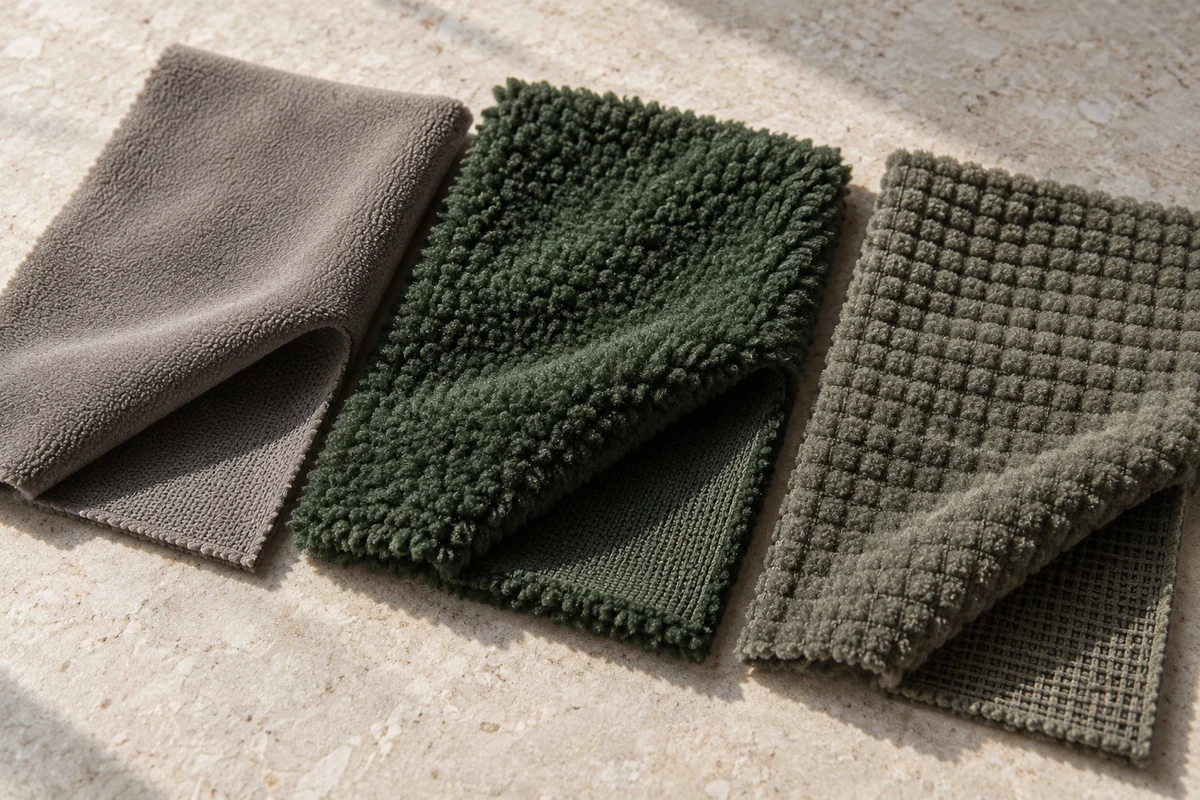
Three fleece fabric textures in grey green and grid structures for material selection

Material swatches help narrow the direction, but the final choice needs to be checked in a garment. Record supplier article, composition, structure, colour reference, face and reverse, weight method and any finish that affects care or appearance.

MATERIAL SELECTION

Compare construction rather than a generic fabric name

Fleece structure affects bulk, drape, surface feel and the way the jacket combines with other layers. Ask for comparable swatches and a documented sample configuration. A composition label alone cannot identify the knit structure or finish.

Low bulk fleece

A lighter structure can help when the garment needs to sit beneath another layer. Review the actual fabric weight, loft, recovery and hand in the sample rather than assuming all thin fleeces behave the same way.

Brushed or pile surface

The face and reverse may differ in texture and appearance. Specify which surface touches the wearer, which remains visible and how the pile should look after care and abrasion review.

Grid structure

A grid can change thickness, air space and surface character. Confirm the precise supplier article and orientation in the pattern. Do not treat the word grid as a performance result.

RISK AND VERIFICATION

Decide what the surface must retain

Fleece appearance is a purchase decision and a repeat order risk. A lab result can support a defined question only when the fabric reference, test method, conditioning, sample face and pass criteria are recorded. The project team should connect the report to the garment that will be approved, rather than relying on an unrelated swatch or a broad “anti pilling” label.

01

Pilling and fuzzing

Agree the method, specimen face, rating scale and acceptance level. Compare the approved material and the same care history, especially where packs, seat belts or sleeves create contact.

02

Dimensional stability

Set the care procedure and measurement points before testing. Review length, width, sleeve and trim interaction after the specified wash and dry sequence.

03

Colour and surface

Check shade, nap direction, crocking or transfer concerns and surface change on the exact colourway. Dark and light versions can need separate review.

04

Comfort and shedding

Assess the intended next layer or skin contact, seam feel and visible fibre shedding through sample wear and care. Define any market claim separately from the visual review.

Keep claims tied to a named test

If the buyer requires a pilling grade, dimensional change limit, colourfastness result or recycled content claim, confirm the applicable method and evidence for the exact proposed material and market. This page does not promise a numerical grade, certification or fabric content for an unselected project.

WEAR THE SYSTEM TOGETHER

A fleece mid layer has to work inside the full outfit

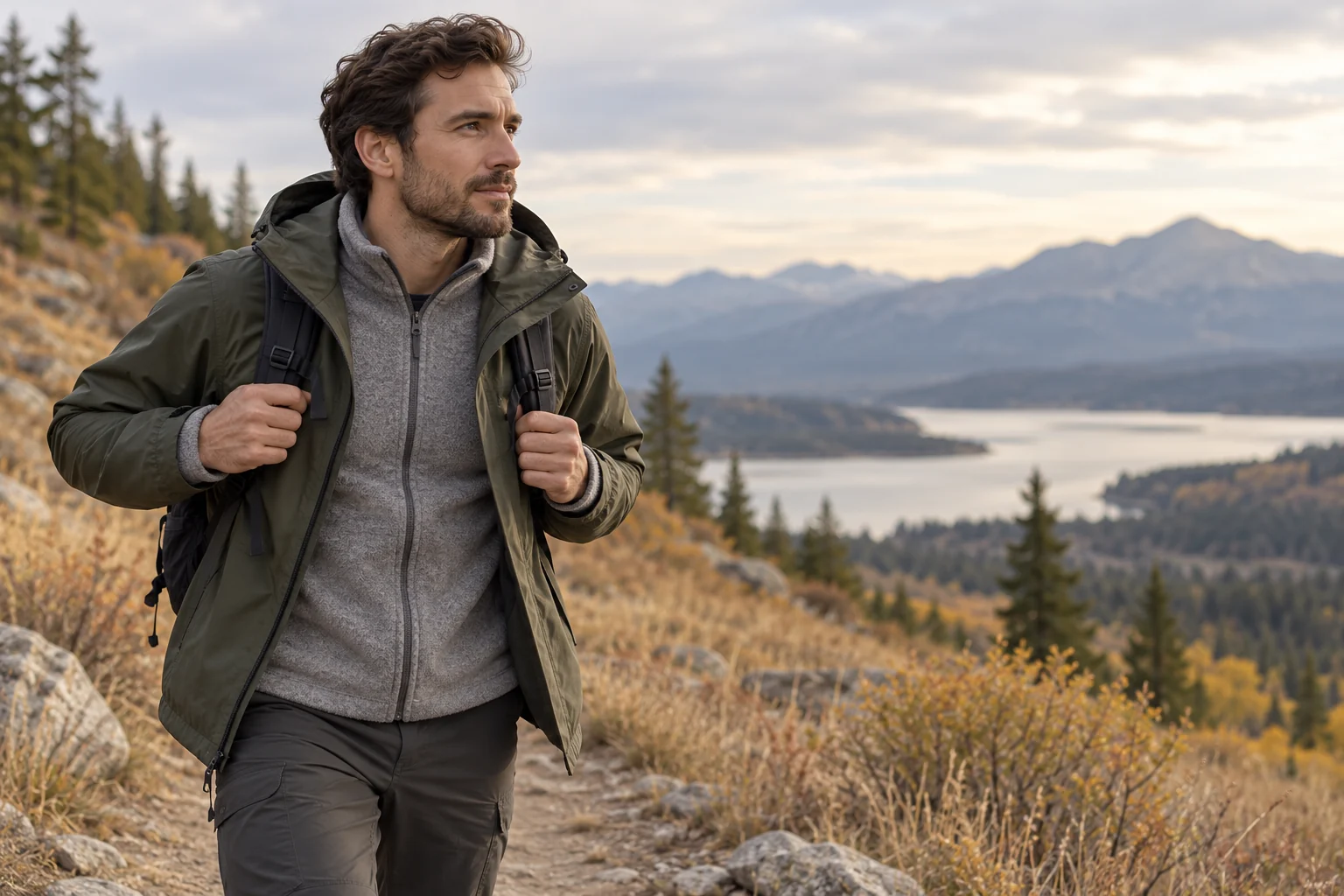
Fit comments change when a fleece is tested alone rather than under the shell planned for the collection. Put the approved base layer, fleece sample and outer jacket on the same fit model. Check overhead reach, elbow bend, shoulder rotation, collar stacking and cuff insertion. Record the sample size and layers used, then repeat the same routine after revisions.

Where friction appears

Watch the upper arm, underarm, collar and hem. A lofty fabric, a bulky seam or a high pocket bag can create resistance inside a shell. Decide whether to change fabric, seam construction, pattern ease or layer sizing before selecting the bulk reference.

When the fleece is worn alone

Review the face surface and trim as visible product features. Pocket openings, lower hem, front closure and branding carry more of the user experience. If wind or rain protection is central, consider a separate outer jacket direction and define those claims in its own brief.

Man wearing a grey fleece mid layer beneath an olive shell jacket
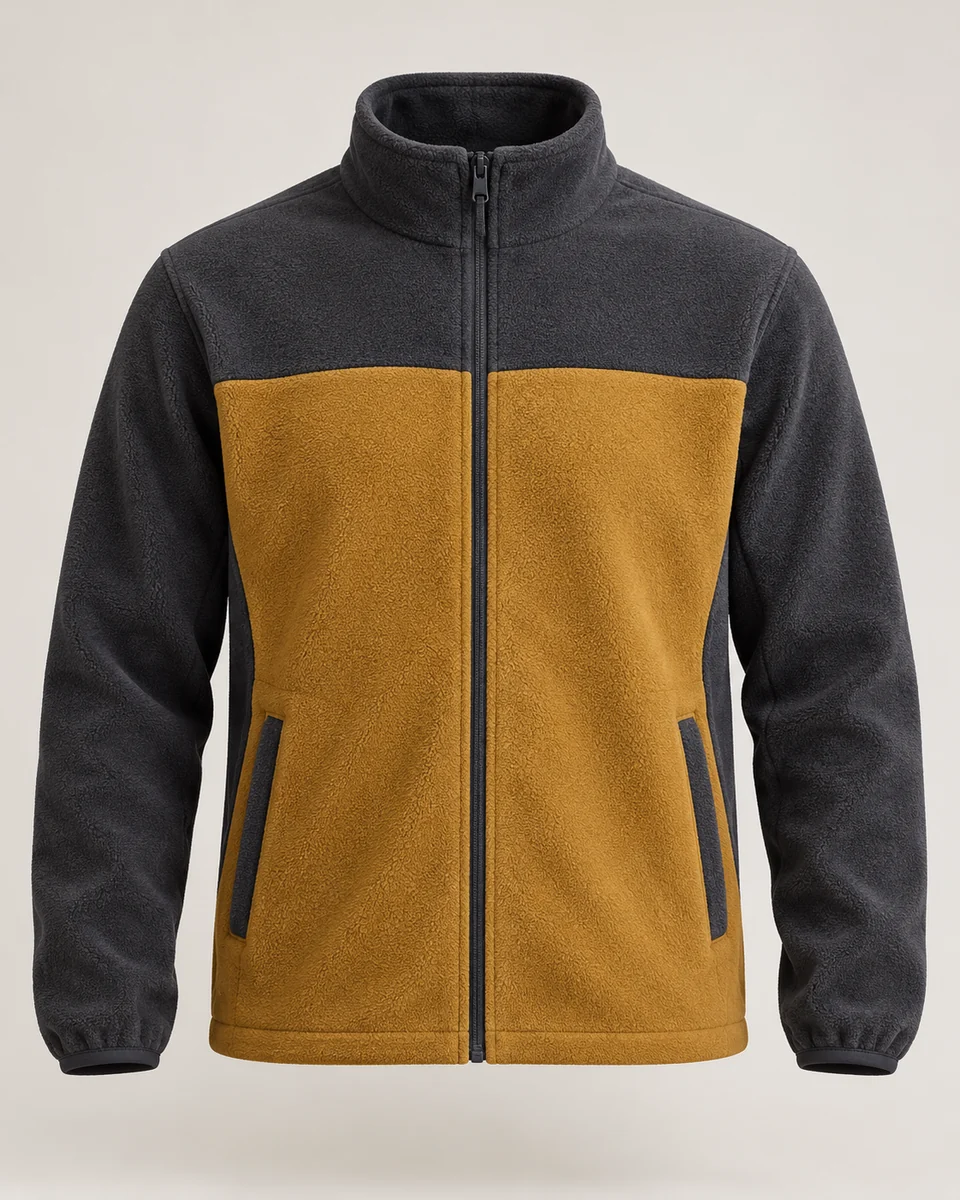
Charcoal and ochre full zip fleece jacket shown from the front

PATTERN AND CONSTRUCTION

Make the finished jacket easy to wear and repeat

Use the approved sample to fix garment measurements, graded size intent and the details that affect comfort. A fleece can change shape when the structure, binding or trim changes. Link every drawing and measurement chart to one revision so production does not inherit conflicting comments.

Neck and zipper

Confirm collar height, zip length, puller and chin contact. Check operation over the planned base layer and under an outer collar.

Pockets and pocket bags

Set hand position, opening size and content load. Pocket fabric can add bulk or reduce stretch at the lower body.

Seams and edges

Review seam bulk, binding, cuffs and hem finish against comfort, durability and the visual reference.

Branding and labels

Provide artwork, placement, technique and destination details. Test decoration on the selected fabric before approval.

OEM ODM AND PRIVATE LABEL

Customize the choices that the buyer can approve

Start by separating fixed requirements from choices still open to development. A logo change is different from changing the fleece structure, pattern block or trim package. Each variation affects the sample reference and may affect fabric minimums, artwork review, testing or schedule. Keep the exact approved combination visible in the tech pack.

Decision areaInformation to provideApproval point
Fabric and colourSupplier reference or target hand, composition direction, fabric weight range and colour standard.Approved swatch or bulk reference tied to the garment sample.
Fit and size rangeTarget wearer, base layer, outer layer, measurement chart and grading priorities.Fit comments and measurements on the named sample revision.
Construction and trimsFront closure, pockets, collar, hem, binding and label specifications.Trim card and construction details checked on the garment.
Brand identityArtwork files, colour, dimensions, placement, labelling and packaging rules.Decoration strike off and approved artwork placement.
Claims and careMarket, care expectation and any required test or substantiation.Evidence scope, care label and final wording accepted by the responsible team.

FROM BRIEF TO APPROVED SAMPLE

Give every sample a decision to settle

A sample is most useful when reviewers know what it is intended to answer. Keep a revision log that distinguishes fabric selection, fit, detail and artwork comments. Do not merge approval of one area into approval of everything else. If the material or trim changes later, identify the affected checks and issue a new record.

Rust fleece jacket sample on a dress form beside fabric swatches and pattern pieces

01

Record the material

Identify the exact fleece article, colour, face, reverse and finish used in the sample.

02

Review the fit

Try the agreed size with the intended layers and movement routine; close measured comments.

03

Close details

Approve zipper, pockets, binding, labels and artwork against one construction record.

04

Release the reference

Tie tests, care, packing and open changes to the version approved for quotation and production.

ORDER PLANNING

Turn the approved fleece into a quote ready brief

Share estimated quantities by style and colour, size distribution, target delivery window, destination and packaging instructions. MOQ and lead time depend on the selected fabric, custom colours, trims, approval cycle and order mix. They should be confirmed in a quotation for the actual configuration, not borrowed from another style.

Assortment and continuity

Separate first order demand from repeat programme expectations. If shade continuity matters, record the agreed material and colour control reference. A later substitution should trigger a review of feel, fit, appearance and any evidence tied to the first material.

Timing and responsibilities

Identify who supplies the tech pack, artwork, size chart and compliance requirements. Leave time for sourcing, sample review, revisions and any required testing. A target ship date becomes a confirmed schedule only when inputs and approvals are closed.

Packing and destination

State bagging, hangtags, carton assortment, carton marks and any retailer or distributor instructions. Include the destination market early so labelling and documentation can be reviewed with the project team.

BUYER QUESTIONS

Fleece jacket development FAQ

Use these questions to align design, technical review and purchasing before sample work starts.

What is the difference between a fleece jacket and a softshell jacket?

A fleece direction centers on knit structure, texture, warmth and layering. A softshell direction often balances a woven outer face, movement and exposure. Neither name alone establishes a performance level. Choose around the wearer and specify the material system and evidence.

Can a fleece jacket be a standalone outer layer?

Yes if the intended use and exposure fit the selected construction. Review visible appearance, pockets, closure, comfort and care. If wind or rain protection is essential, define that requirement separately and consider a suitable outer layer.

How do we choose fleece weight?

Start with wearing role, season, expected layers and target bulk. Compare actual fabric weight and structure along with the garment sample. Weight alone does not specify warmth, durability, drape or comfort.

How should we assess pilling?

Agree a suitable method, specimen face, preparation, rating criteria and acceptance level for the exact material. Review visual changes after the specified care routine and in high contact areas of the sample.

Can we add embroidery or a patch?

Provide the artwork, size, technique and proposed placement. Review a decoration sample on the selected fleece because pile, backing and density can affect appearance, feel and local stretch.

What needs to be checked for a fleece mid layer?

Fit the fleece with the base layer and shell it will be worn with. Check reach, collar stack, sleeve insertion, seam bulk and friction. Record the size and layer combination used for approval.

What determines the MOQ and schedule?

Fabric sourcing, custom colour minimums, trims, style count, size assortment, sample revisions, testing and packing affect the project. Send the intended quantities and delivery window so the applicable terms can be reviewed.

What should we send for a fleece jacket quotation?

Send a tech pack or reference, target wearer and use, fleece direction, fit and size chart, artwork, quantities by colour and size, testing and care requirements, packing, destination and target delivery window. Mark decisions that still need development.

PREPARE YOUR FLEECE JACKET RFQ

Tell us how the fleece will be worn

A strong first review explains the wearer, the layers around the fleece and the appearance it must keep. Tell us which decisions are fixed and where you need development input. Include a reference garment or material if available; an open direction is also useful when its intended use is clear.

Once the material, fit, details and evidence needs are documented, the team can assess sampling steps and commercial terms for the specific project.

Include these project inputs

  • Tech pack reference or intended product direction
  • Target wearer season and layering system
  • Fleece structure hand and colour preferences
  • Size chart fit checks and construction details
  • Artwork claims care and test requirements
  • Quantities packing destination and delivery window