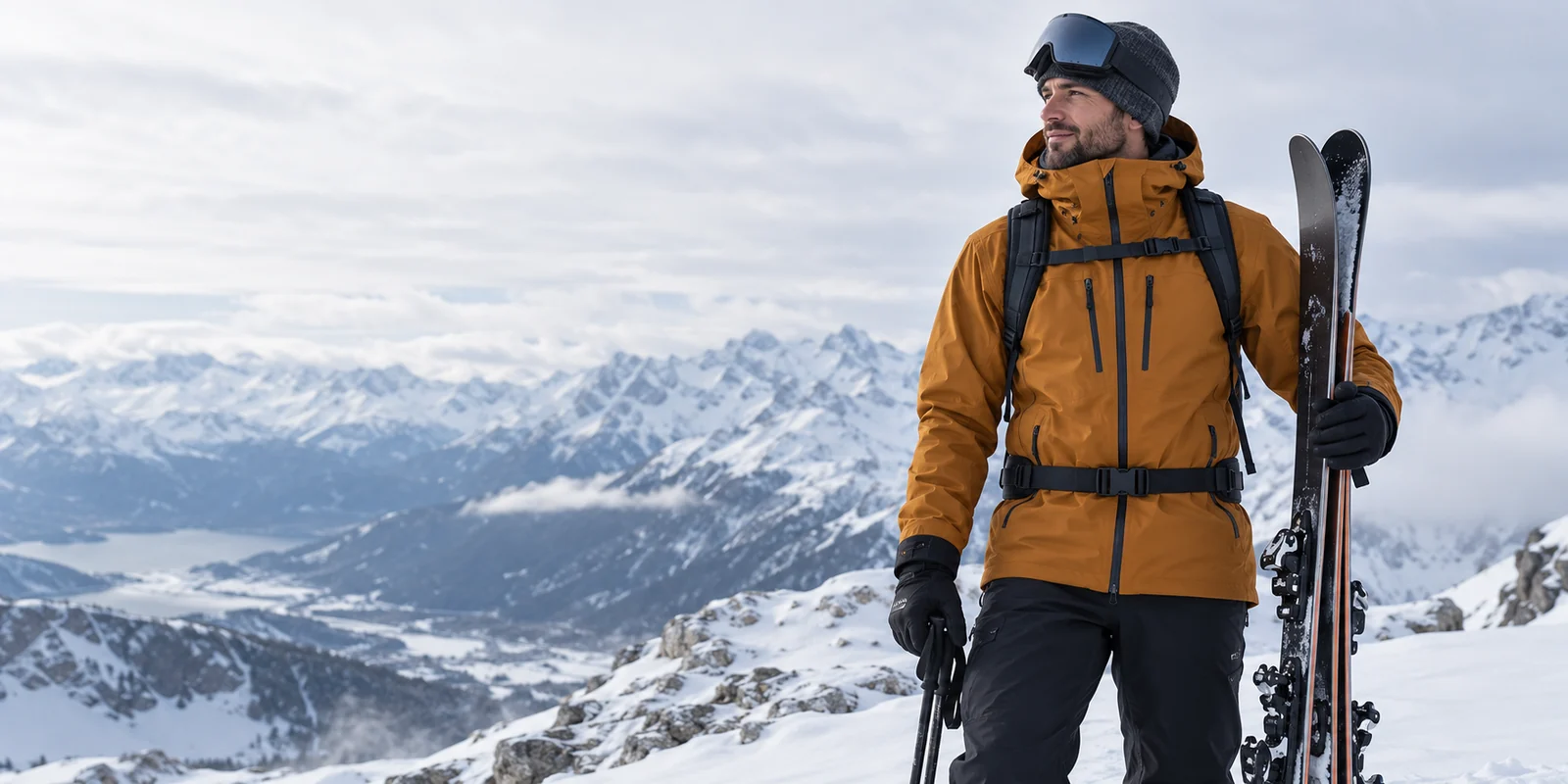
Skier in an ochre technical ski jacket standing on a snowy alpine ridge

SKI JACKETS OEM ODM PRIVATE LABEL

Ski Jacket Manufacturer
for Snow Brands

Develop technical ski jackets around the mountain use case the layering system and the decisions your team needs to approve.

Bring a reference or technical pack. SNOSEAM can help organize materials fit snow specific details sample review and the information required for a comparable quotation.

01

On snow use

State the resort terrain activity level exposure and expected wearing duration.

02

Layering system

Define base and mid layers so the jacket volume and movement can be reviewed correctly.

03

Protection brief

Separate material targets garment construction and the claim evidence required for sale.

04

Approval route

Name the samples tests reviewers and commercial inputs needed before production release.

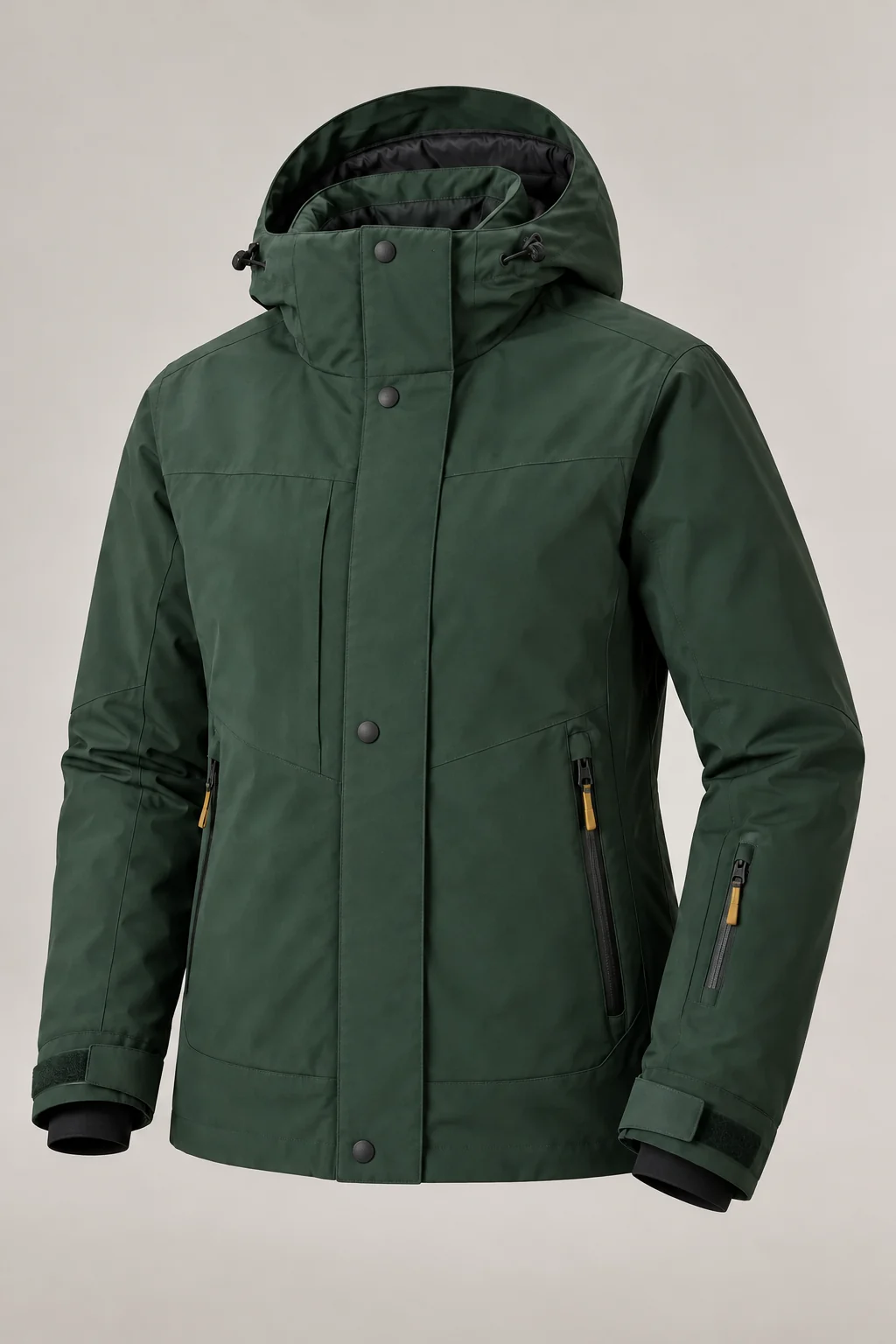
Forest green technical ski jacket with a full storm flap covering the front zipper

DEFINE THE PRODUCT DIRECTION

Start with the skier and the collection role

A ski jacket is not defined by a sleeve pass pocket or a snow skirt alone. The wearer activity the expected weather the insulation route and the other layers all affect the specification. A clear category role helps the development team make related choices instead of collecting disconnected features.

Shell or insulated

Decide whether the style is a protective shell a lightly insulated resort jacket or a fuller cold weather garment. The answer changes pattern volume lining construction and sample review.

Regular or relaxed fit

Connect silhouette to the intended mid layer and movement routine. Record body length sleeve volume hood use and the balance between coverage and mobility.

Fixed or removable details

List any removable hood snow skirt liner or accessory parts. Each attachment needs a construction drawing operation review and clear packing instruction.

Core or premium programme

Identify the expected feature level material route test scope branding package and target order profile before the first material proposal is compared.

THREE DIFFERENT BUYING BRIEFS

Use conditions should shape the jacket

Describe the user programme before selecting features. A jacket intended for occasional resort customers has a different review path from an active technical collection or a uniform programme used day after day.

Resort collection

Plan for chairlift exposure repeated entry to warm spaces pocket access with gloves and a fit that works with the named mid layer. Confirm the protection claim and insulation decision separately.

High activity use

Prioritize movement ventilation and moisture management in the complete wearing system. Review where the garment needs protection and where added insulation or bulk may work against the activity brief.

Team and ski school

Add repeat order continuity visible identification practical care and daily durability to the brief. Placement for marks and radios should be checked in the actual size range before release.

MATERIAL SYSTEM

Approve the material package as one system

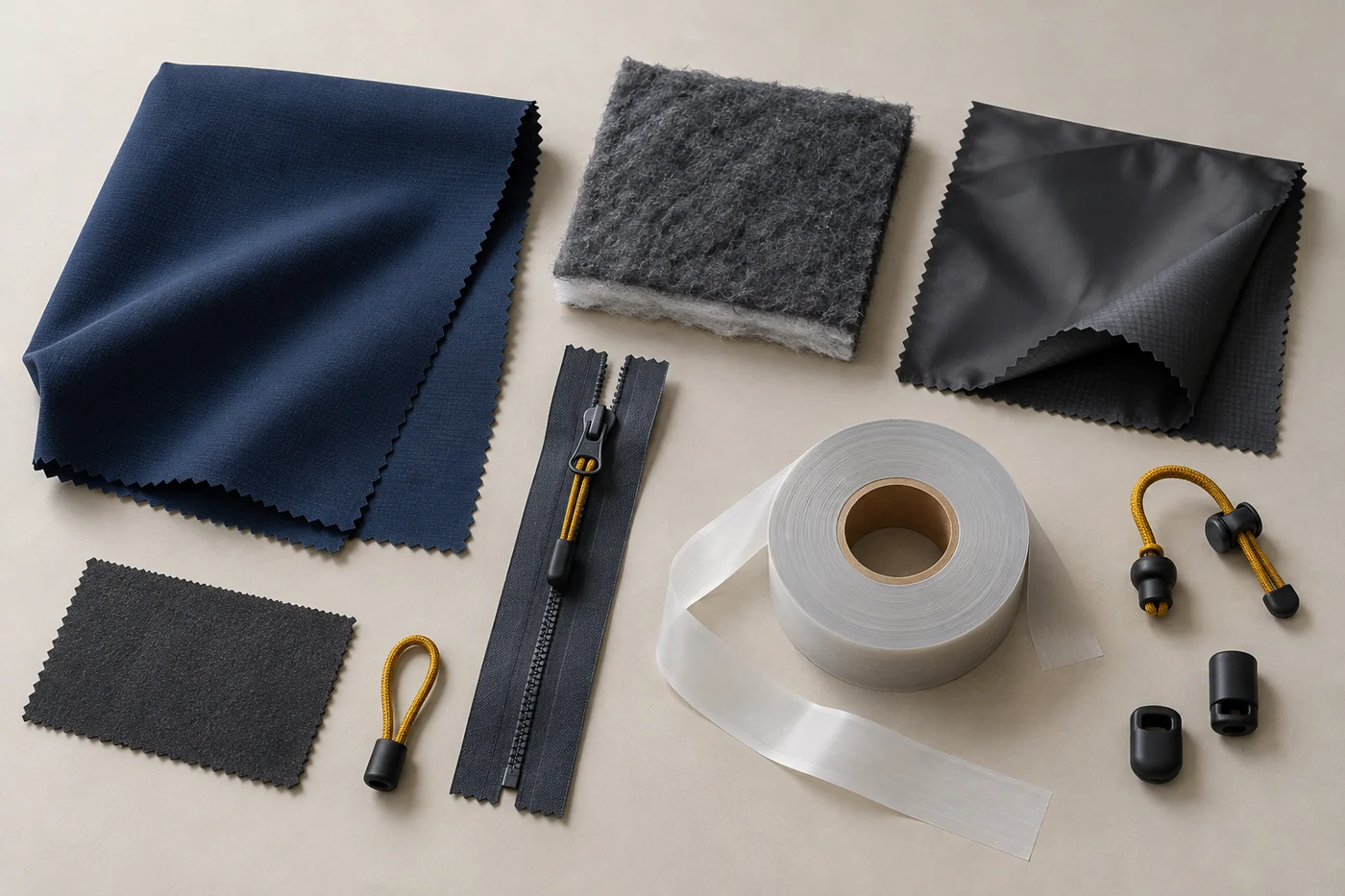
The outer fabric is only one part of the jacket. Shell membrane or coating insulation lining seam tape zippers and adjustment components must be selected for the intended construction and care route. Keep the supplier references and approved colours together so substitutions can be identified before they reach production.

Ski jacket shell insulation lining zipper seam tape and cord hardware arranged for material selection

Keep one traceable material record

Use a bill of materials that names each approved article colour finish and source. Link any report to the material or garment it actually describes. If the shell face lining insulation or seam tape changes reopen the checks affected by that change.

Outer shell system

Record the supplier article fibre content layer construction face finish colour and intended evidence. Review hand noise and abrasion zones in the garment sample rather than from a swatch alone.

Insulation and lining

Identify the exact insulation reference weight or fill allocation and the lining used beside it. Check recovery distribution care and the bulk created at seams cuffs and the hood.

Trims and compatibility

Connect zippers tape cord hardware hook and loop thread and decoration methods to the same material package. A component change can affect construction appearance and the approved test plan.

Skier in a cobalt technical jacket testing movement during a turn on a groomed slope

FIT AND MOVEMENT

Review motion with the intended layers

Use a repeatable movement routine with the correct base and mid layer. Check reach at the shoulder elbow bend hem lift front zipper tension and pocket access while the wearer uses gloves. Record the garment size the layers and the sample revision with each comment.

Helmet hood trials should identify the helmet reference and the required movement. A larger hood is not automatically a better hood. Review peripheral visibility adjustment release collar comfort and the way the hood sits when it is not in use.

SNOW SPECIFIC CONSTRUCTION

Make each feature answer a wearing need

Snow features should be engineered into the pattern and construction rather than added as a checklist. Define the task for each feature then review comfort access containment drainage and care on the complete garment.

01

Powder skirt

Define whether it is fixed removable or omitted. Check body position stretch range fastening overlap gripper contact and how it behaves with the intended trousers and layers.

02

Cuffs and wrist gaiters

Review glove overlap cuff adjustment inner gaiter comfort and drying. Confirm material recovery and keep the thumb opening or wrist construction clear in the technical drawing.

03

Pockets and ventilation

Place access points against harness backpack or lift use. Check zipper operation with gloves and review vent backing openings and snow entry risk in the actual sample.

04

Hood collar and front closure

Test helmet compatibility collar height chin comfort zipper guards and adjustment routes together. Keep cords and hardware away from the face and name any release requirement.

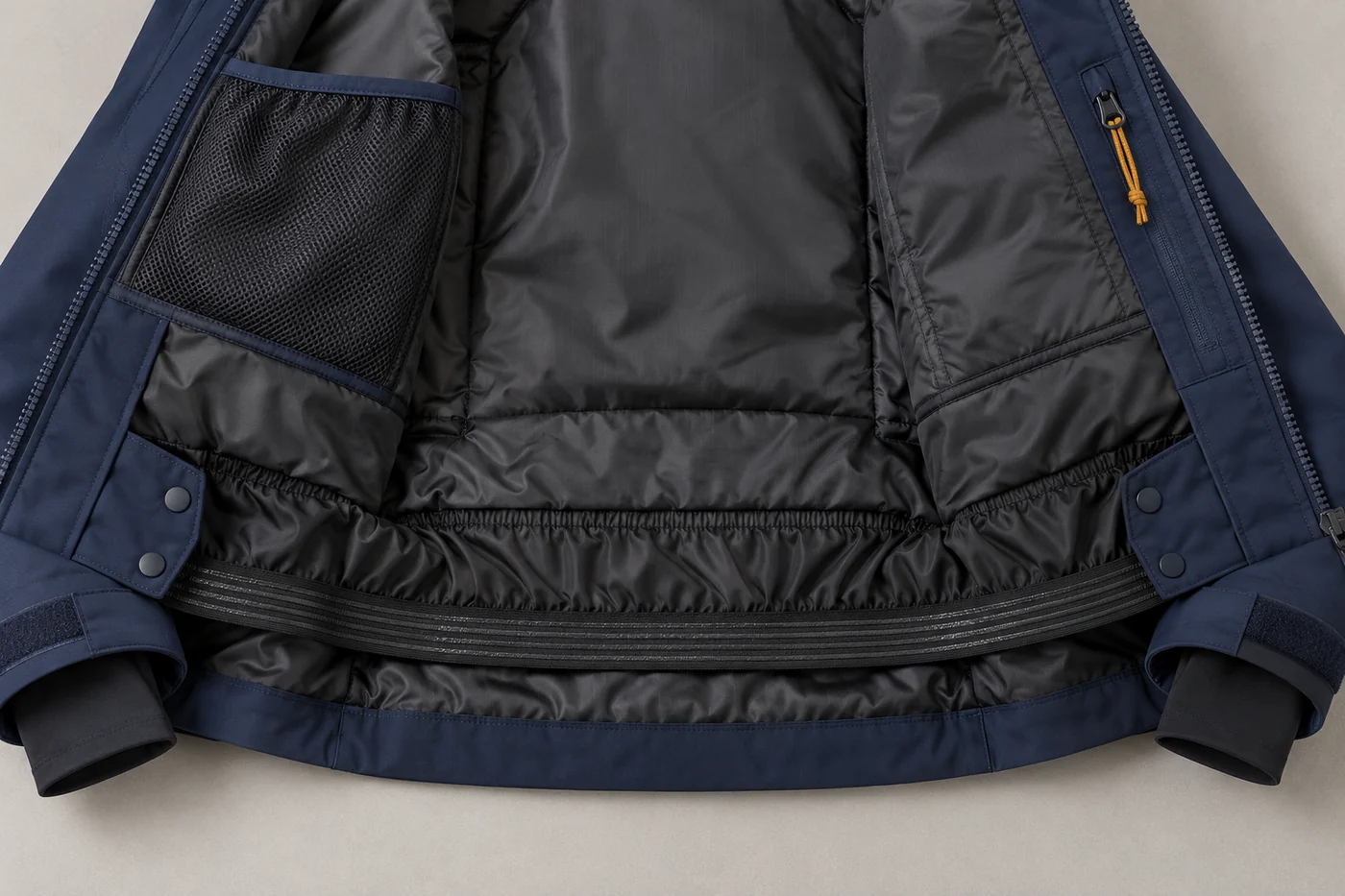
Open navy ski jacket interior showing powder skirt mesh pocket and cuff construction

Review the inside and outside together

The interior photograph helps locate the powder skirt pocket and cuff system but the production reference still needs construction sheets measurements material codes and written approvals. Confirm both zipper halves seam paths and attachment points in the actual sample.

ONE COMPARABLE SPECIFICATION

Connect the buying question to the approval record

A useful specification makes the relationship between use construction and evidence visible. This reduces the risk of approving an attractive sample that has not answered the commercial or technical questions behind the order.

Decision areaBuyer inputDevelopment responseApproval record
Weather protectionExposure duration precipitation and wind useFabric seam closure and opening requirementsNamed material and garment checks
Thermal directionActivity level layers lift time and target bulkInsulation reference allocation and liningSample wearing review and applicable evidence
MovementReach turn sitting and equipment routinePattern volume articulation hood and hemFit comments tied to size layers and revision
Snow managementPowder exposure glove use and pocket accessSkirt cuffs gaiters hood vents and closuresFunctional review on the complete sample
Brand programmeMarket artwork care and repeat order needsColours trims labels decoration and packingApproved trim card artwork and packing specification

QUALITY AND EVIDENCE

Match each claim to the correct check

Set the verification plan before final approval. A material result applies to the sample named in the report under the stated method and conditions. The finished jacket also needs construction fit operation and workmanship review. Keep claims conservative until the relevant evidence and market wording are confirmed.

01

Water penetration

Match the test method sample description hydrostatic pressure target and acceptance rule to the chosen material or garment. Do not describe every seam or opening from one fabric result.

02

Surface wetting

Treat durable water repellent performance as a separate requirement. Record the finish care state and test stage so an initial result is not presented as an unlimited garment promise.

03

Moisture and ventilation

Clarify whether the target is a material water vapour result an air permeability result or a wearing observation. Keep units method and sample configuration with the report.

04

Durability and care

Define abrasion zones wash or care cycles dimensional review seam tape appearance insulation recovery and trim operation according to the actual product brief.

Technical references for method selection include ISO guidance for resistance to water penetration and the AATCC overview of water repellency testing. The applicable method and acceptance criteria should be chosen by the responsible technical team for the actual material and claim.

SAMPLE DEVELOPMENT

Move from concept to one approved reference

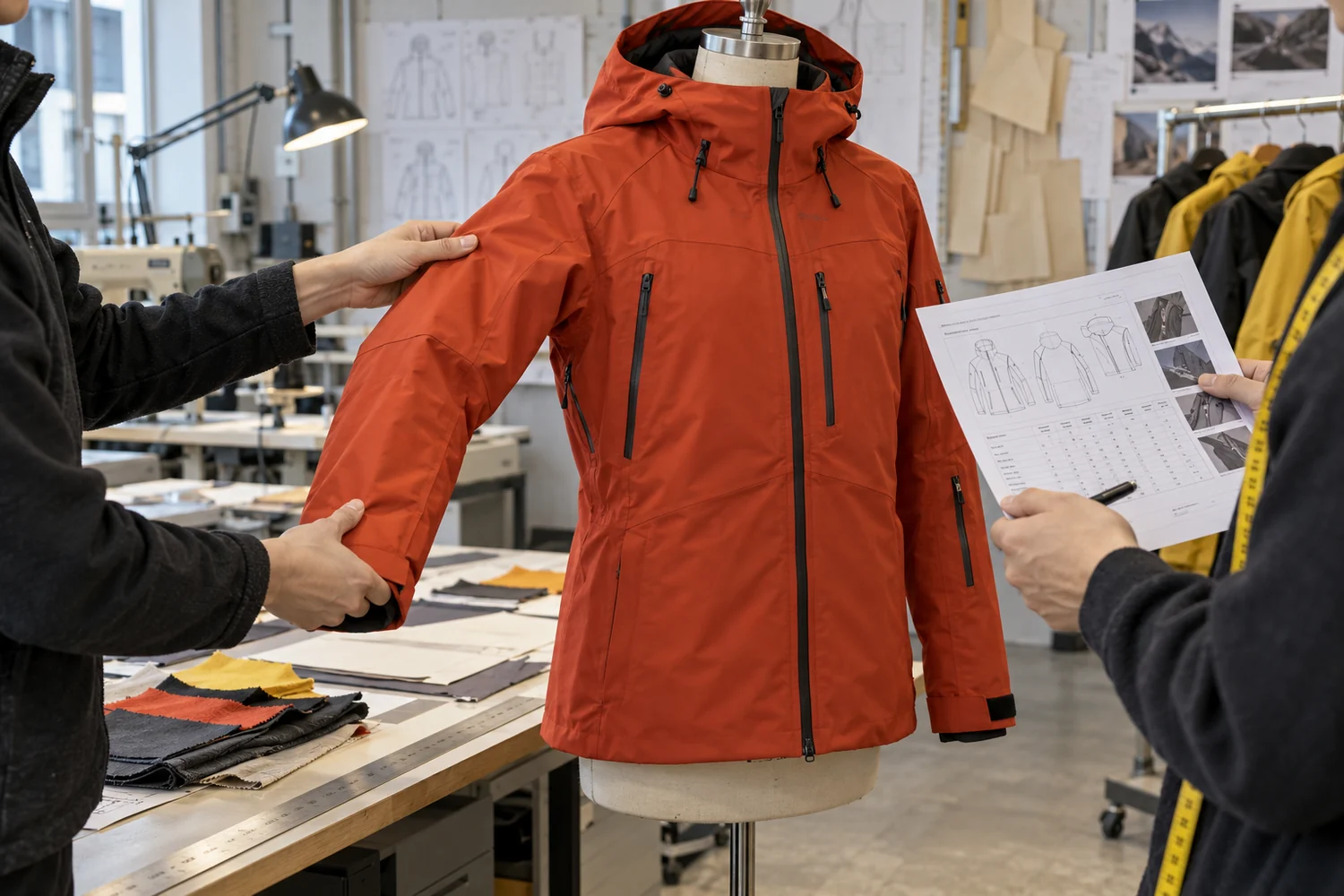
Give each sample a defined purpose. A visual sample should not silently become the fit or functional reference. Keep comments in one revision log and identify the material package size reviewer date and remaining actions every time a sample is assessed.

Technicians reviewing the sleeve fit and measurements of an orange ski jacket sample

01

Direction review

Close the wearer profile product role feature priorities and evidence questions before material selection expands.

02

Material and fit sample

Confirm the actual shell insulation lining trims size chart and movement routine used for the review.

03

Functional sample

Check hood cuffs skirt pockets vents closures care route and the planned technical verification on one named revision.

04

Production reference

Close measurements construction comments artwork packing tolerances and open actions before the approved reference is released.

If the shell insulation seam tape hood pattern or snow skirt changes after approval identify the related checks and reopen them. Photographs are useful evidence of appearance but they do not replace measurements material codes test scope or written closure.

MOQ TIMING AND PACKING

Build the quotation around the approved ski jacket

Send the expected order mix and destination with the technical brief. Material minimums custom colours insulation trims test scope sample cycles and packing all affect the commercial review. Confirm the applicable MOQ price basis and schedule for the actual configuration rather than treating a category level estimate as a final commitment.

A requested shipping date remains a target until materials approvals testing and the production route are confirmed. Identify which decisions are fixed and which are open so the quotation and development plan can state their assumptions clearly.

Assortment

Provide quantity by style colour and size with expected replenishment or repeat programme needs.

Sourcing

List nominated articles custom colours restricted substance requirements documentation and any approved alternatives.

Schedule

Include the target delivery window destination sample reviews testing artwork and decision owners.

Packing

Define folding bagging hangtags carton assortment compression limits and recovery expectations after unpacking.

BUYER QUESTIONS

Ski jacket development FAQ

Use the questions below to prepare a technical and commercial brief before material selection and sampling begin.

What information should start a ski jacket project?

Send the intended skier and use environment the product role layering system target fit feature priorities material direction size range artwork order quantity destination delivery window and any required claims or tests.

Can one ski jacket work for every snow activity?

A broad style can serve several users but the specification still needs a primary use case. Resort exposure high activity use team programmes and freeride use can lead to different fit insulation ventilation durability and feature priorities.

Should a ski jacket be insulated or a shell?

Choose the route from the wearer activity exposure layers and collection role. An insulated jacket changes pattern volume care and thermal review while a shell relies more heavily on the planned layering system.

Does waterproof fabric make the whole jacket waterproof?

Not by itself. Seam construction tape compatibility zippers openings hood cuffs and the finished garment configuration also affect protection. State the intended claim and match it to suitable evidence.

How should helmet hood fit be approved?

Name the helmet reference and test visibility head movement adjustment release collar comfort and the hood position when not in use. Record the garment size layers and sample revision.

Can the powder skirt be removable?

Yes when the product direction and construction support it. Define the attachment overlap stretch range hardware comfort and packing route then review the complete sample in use.

What details need a glove use check?

Review the main zipper pocket and vent pulls cuff adjustment hood controls snow skirt fastening pass pocket and internal storage with the intended gloves and layers.

What is needed for a comparable quotation?

Provide the exact material and feature direction size and colour assortment quantities test and claim scope branding packing destination and approval schedule. Mark all assumptions and open choices that still need development input.
PREPARE YOUR SKI JACKET RFQ

Bring the mountain brief
and the choices still open

Tell us who will wear the jacket where it will be used and what your team needs to approve. Connect the product direction to the material system fit feature set evidence plan and order profile so the first review can focus on the right decisions.

You can begin with a technical pack an approved reference or a structured product direction. Mark the fixed requirements and the areas where you want development input.

Include these project inputs

  • Skier profile terrain and wearing duration
  • Layering system fit and size range
  • Shell insulation lining and feature direction
  • Claims tests care and market requirements
  • Artwork trims colours and packing
  • Quantities destination and delivery window